Shabbat
Shabbatשַׁבָּת
approximately 25 hours · every seventh day of the week – from sunset on Friday until nightfall on Saturday
- History
- Bible
- Halakhah
- Minhag
- Folk custom
- Modern practice
- Interpretation
- Transliteration
- Shabbat
- Pronunciation
- sha-BAT
- Duration
- approximately 25 hours
In 60 seconds
Shabbat is the seventh day of the week, on which Jewish tradition pauses everyday work and creative activity. It begins on Friday before sunset with the lighting of candles and ends on Saturday after nightfall with the havdalah ceremony. The Torah connects it both with the creation of the world, when God rested on the seventh day, and with the exodus from slavery in Egypt. In traditional practice no work is done on Shabbat in the sense of the 39 categories of activity derived from the Mishnah: no cooking, no writing, no kindling of fire, no travel by car. The day is filled with kiddush over wine, festive meals with two challot, prayer in the synagogue, the Torah reading, study, rest and time with family. The level of observance ranges from strict Orthodox practice to a secular family Friday-night dinner.
This year
Open the guideRelated recipes
When
Shabbat begins every Friday before sunset and ends on Saturday after nightfall. Prague: candle lighting 16:02 (Friday, 13 November 2026), havdalah 17:11.
Times for Prague · Diaspora
History and origins
Shabbat is one of the oldest institutions of Israelite religion. The Torah anchors it in the Ten Commandments in two versions: zachor (“remember”) in Exodus and shamor (“observe”) in Deuteronomy.1,2
In the Second Temple period Shabbat became a prominent marker of Jewish identity in the Hellenistic and Roman world. Rabbinic literature then worked out its laws in detail; the Mishnah devotes an entire tractate, Shabbat, to it and lists 39 principal categories of prohibited work (avot melakhah).3
The Friday-evening liturgy Kabbalat Shabbat (Psalms 95–99 and 29 and the hymn Lecha Dodi by Shlomo Alkabetz) arose in the kabbalistic circle of Safed in the 16th century and spread to most rites.
Religious meaning
Exodus grounds Shabbat in creation: “for in six days the Lord made heaven and earth… and rested on the seventh day”. Deuteronomy connects it with freedom: a slave could not afford rest, a free person can – and must grant it to servants and animals as well.4,5,6
Exodus calls Shabbat a “sign” (ot) and an “everlasting covenant” between God and Israel. Isaiah urges calling Shabbat a “delight” (oneg), hence the custom of enjoying the best food, clothing and calm on Shabbat.7,8
In Jewish thought Shabbat is often described as an “island in time”: for one day a person stops reshaping the world and acknowledges that he is not its owner. Modern authors (e.g. A. J. Heschel) speak of a “cathedral in time”.
Core traditions
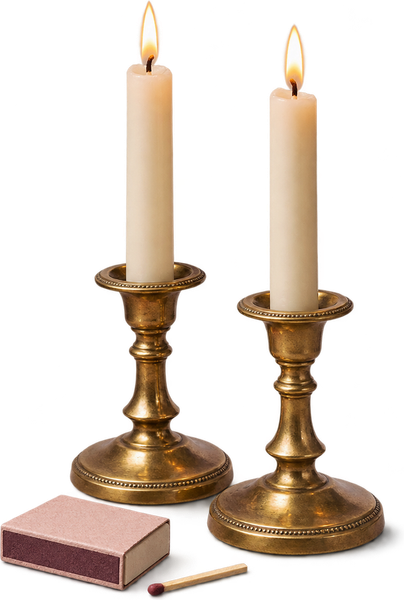
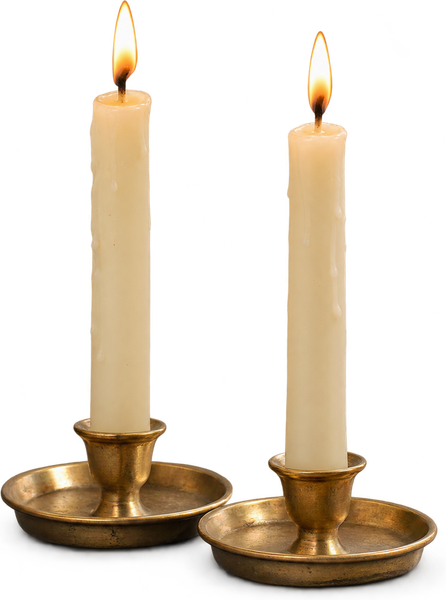
Before Shabbat the house is cleaned, food is cooked in advance and people dress festively. Before sunset at least two candles are lit – according to one interpretation they correspond to the words zachor and shamor.
Friday evening: prayer in the synagogue; at home the song Shalom Aleichem, in many families the blessing of the children and the recitation of Eshet Chayil (Proverbs 31) in honor of the wife, then kiddush, hand-washing, the blessing over two challot and a festive dinner with the singing of zemirot.9
The Talmud relates that two angels accompany a person home from the Friday-evening prayer; the song Shalom Aleichem draws on this image.10
How it is observed
According to the Shulchan Arukh, lighting the Shabbat candles is an obligation of the household; traditionally the woman lights them, and if she is not present, the man. Candles are usually lit 18 minutes before sunset, and in Jerusalem, by local custom, 40 minutes.11
Orthodox practice observes the 39 categories of prohibited activity (melakhot) together with their rabbinic extensions: fire is neither kindled nor extinguished, there is no cooking, writing or commerce, nothing is carried in the public domain without an eruv; electrical appliances are not switched on.3,12
When life is in danger the Shabbat restrictions are set aside (pikuach nefesh) – saving a life takes precedence.
From the 1950s the Conservative (Masorti) movement in the USA permitted driving to the synagogue and the use of electricity; Reform Judaism treats the Shabbat prohibitions as a matter of individual choice and emphasizes rest and community. Many secular Jews celebrate only the Friday-night dinner.
Prayers and blessings
At home: the blessing over the candles, Friday night kiddush, HaMotzi over the challot, Birkat Hamazon after the meal, and on Saturday evening havdalah.
The sages derive the obligation of kiddush from the word “remember” (zachor) – the remembering is to be done in words over wine.13,14
In the synagogue: Kabbalat Shabbat with the hymn Lecha Dodi, the evening prayer, on Saturday the morning prayer with the Torah reading, the additional Musaf prayer and the afternoon Minchah. On Shabbat the central blessing of the Amidah is replaced by a blessing on the sanctity of the day.15
Symbols and objects
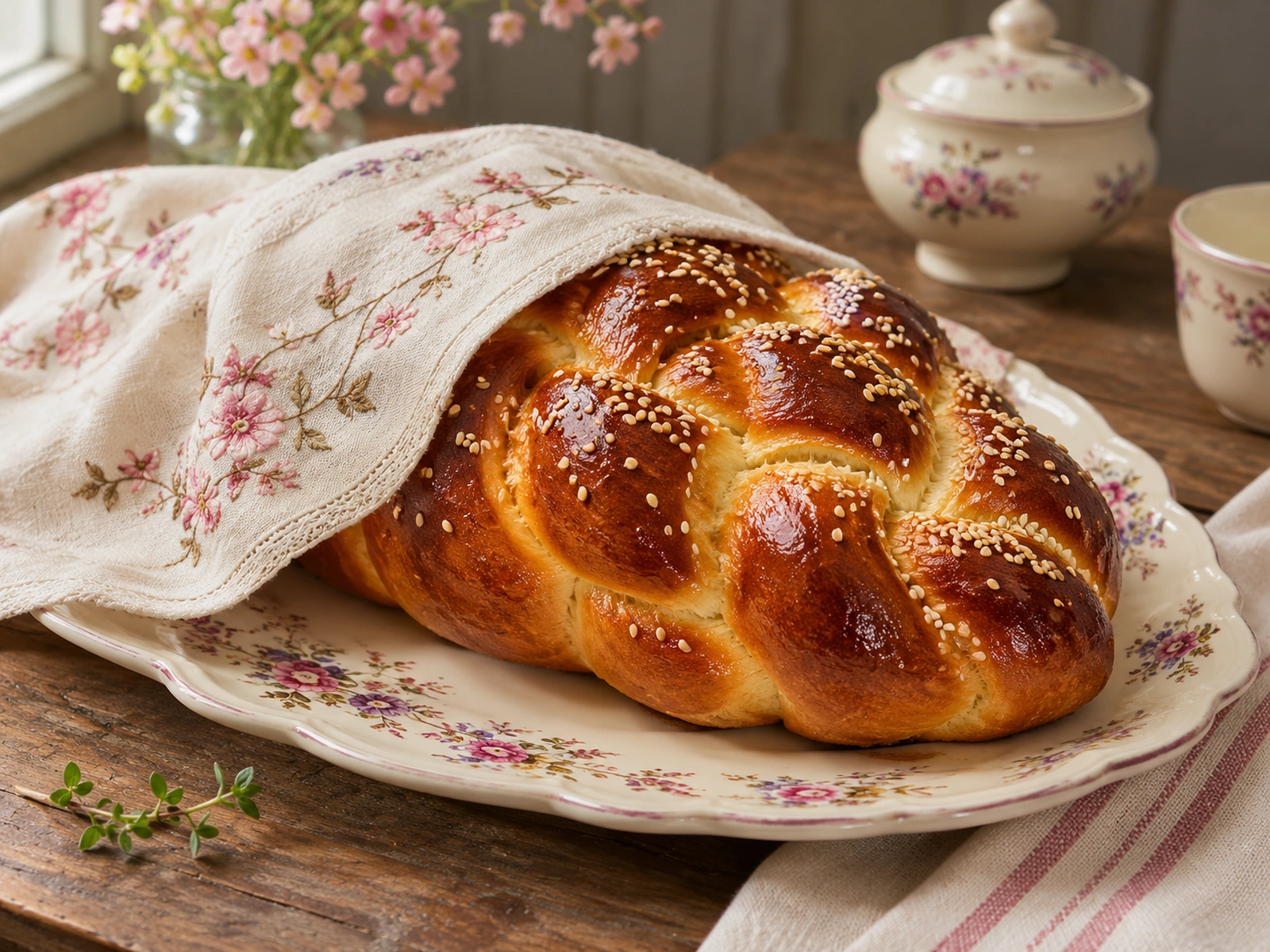
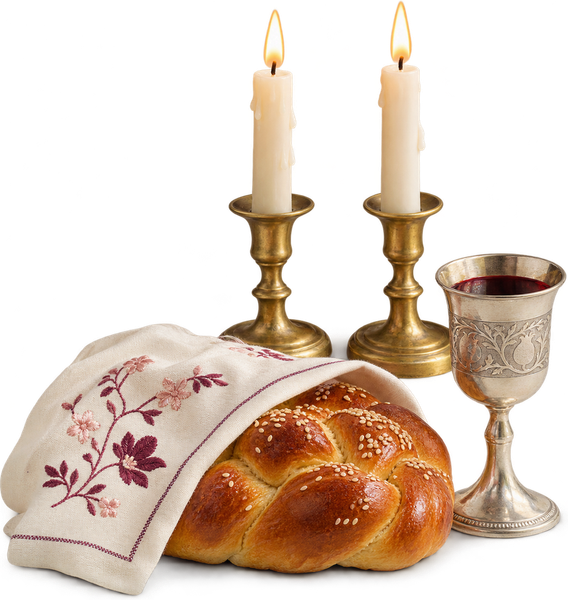
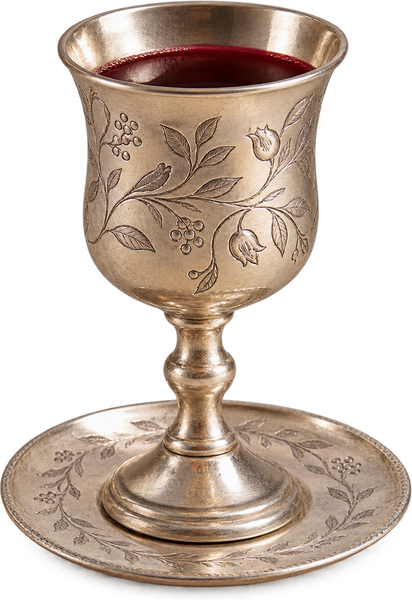
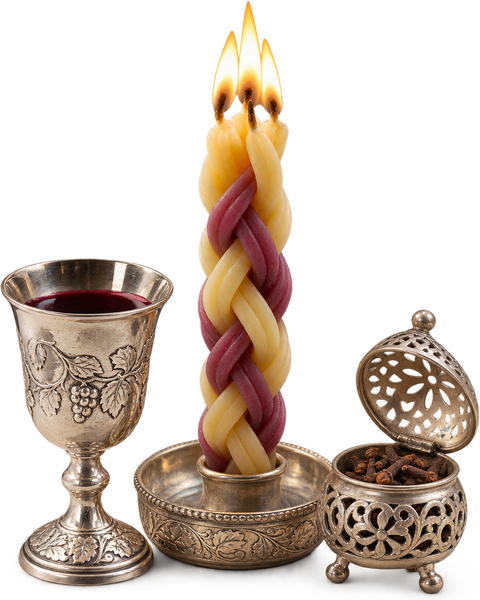
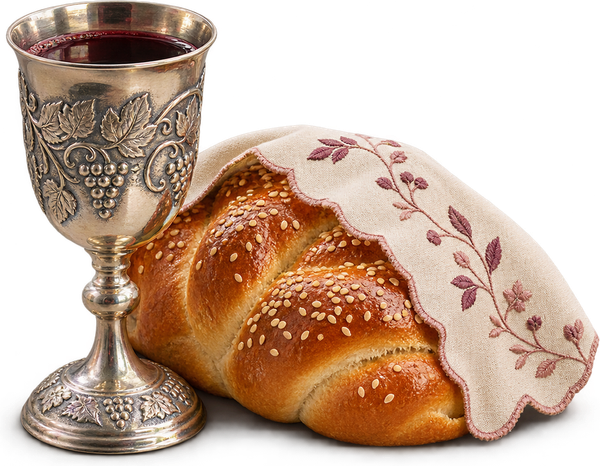
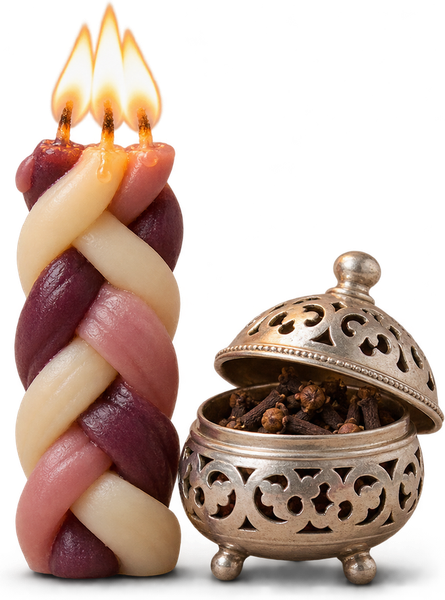
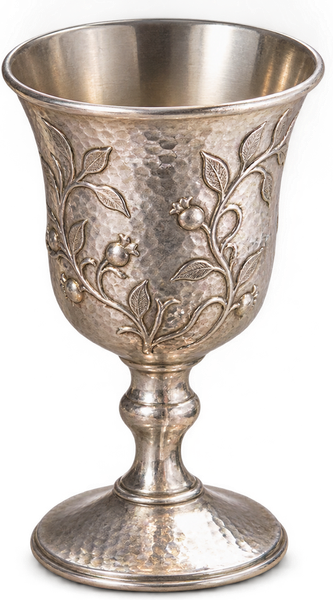
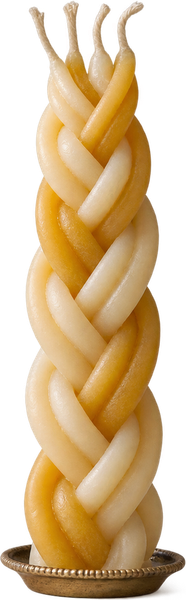
Two candles (in some families as many as there are family members), a kiddush cup, two challot under a cover, and a havdalah candle with a spice box.
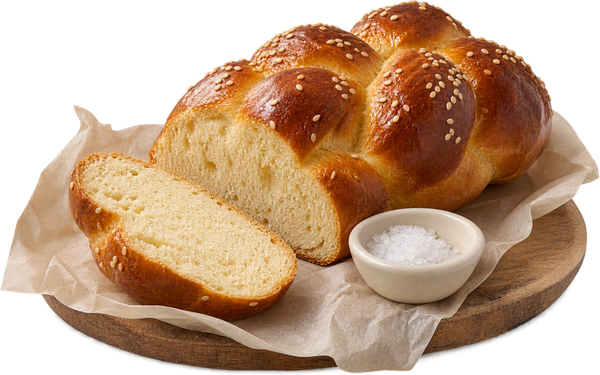
The two challot (lechem mishneh) recall the double portion of manna that fell on Friday so that the people would not need to gather on Saturday.16,17
The cover over the challot is explained in various ways: as an image of the dew that covered the manna, or as consideration for the bread, so that it does not “see” that the kiddush over wine takes precedence.
Traditional foods
The Talmud derives the obligation of three Shabbat meals from the threefold “today” in the account of the manna.18,17
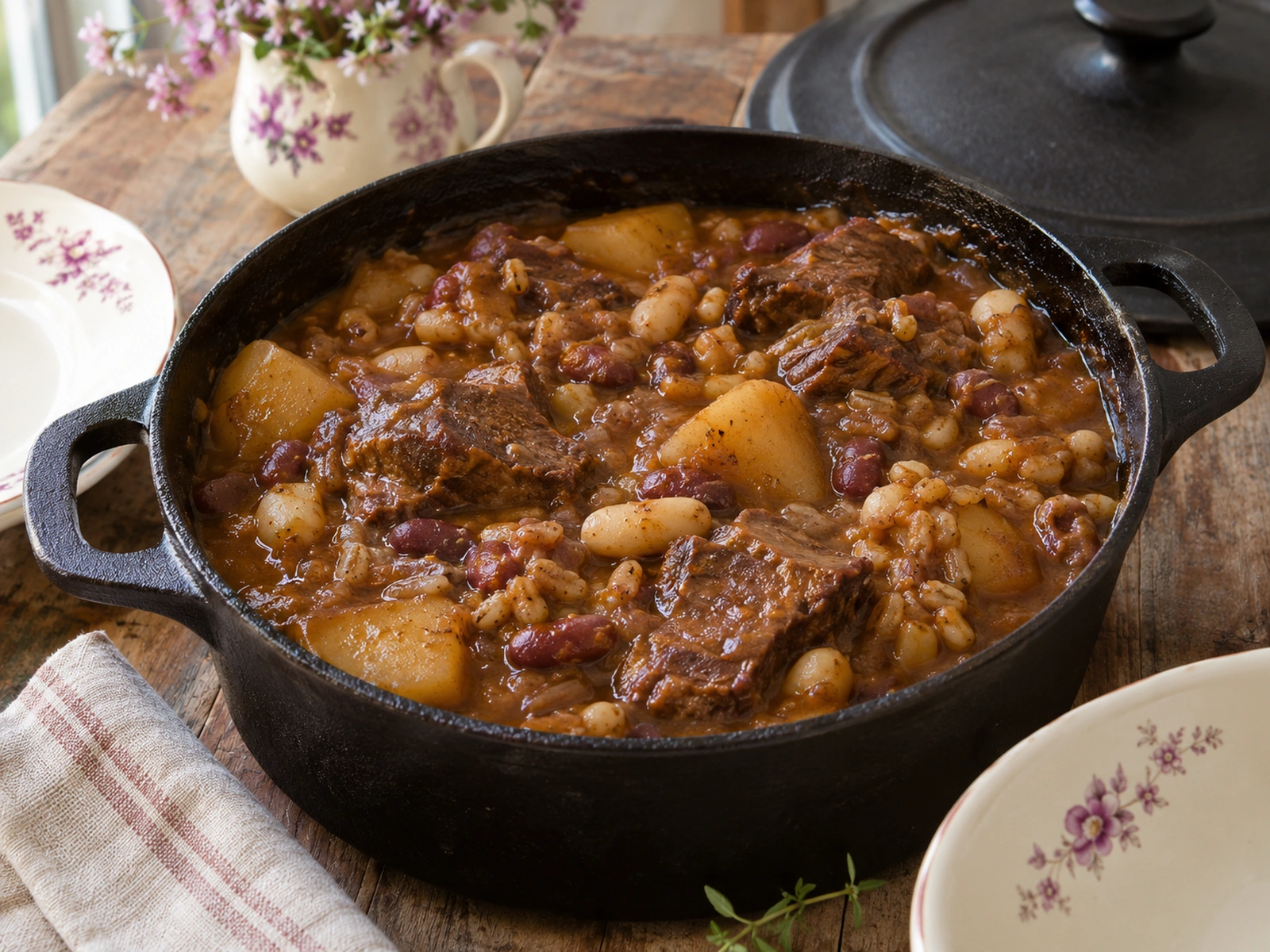
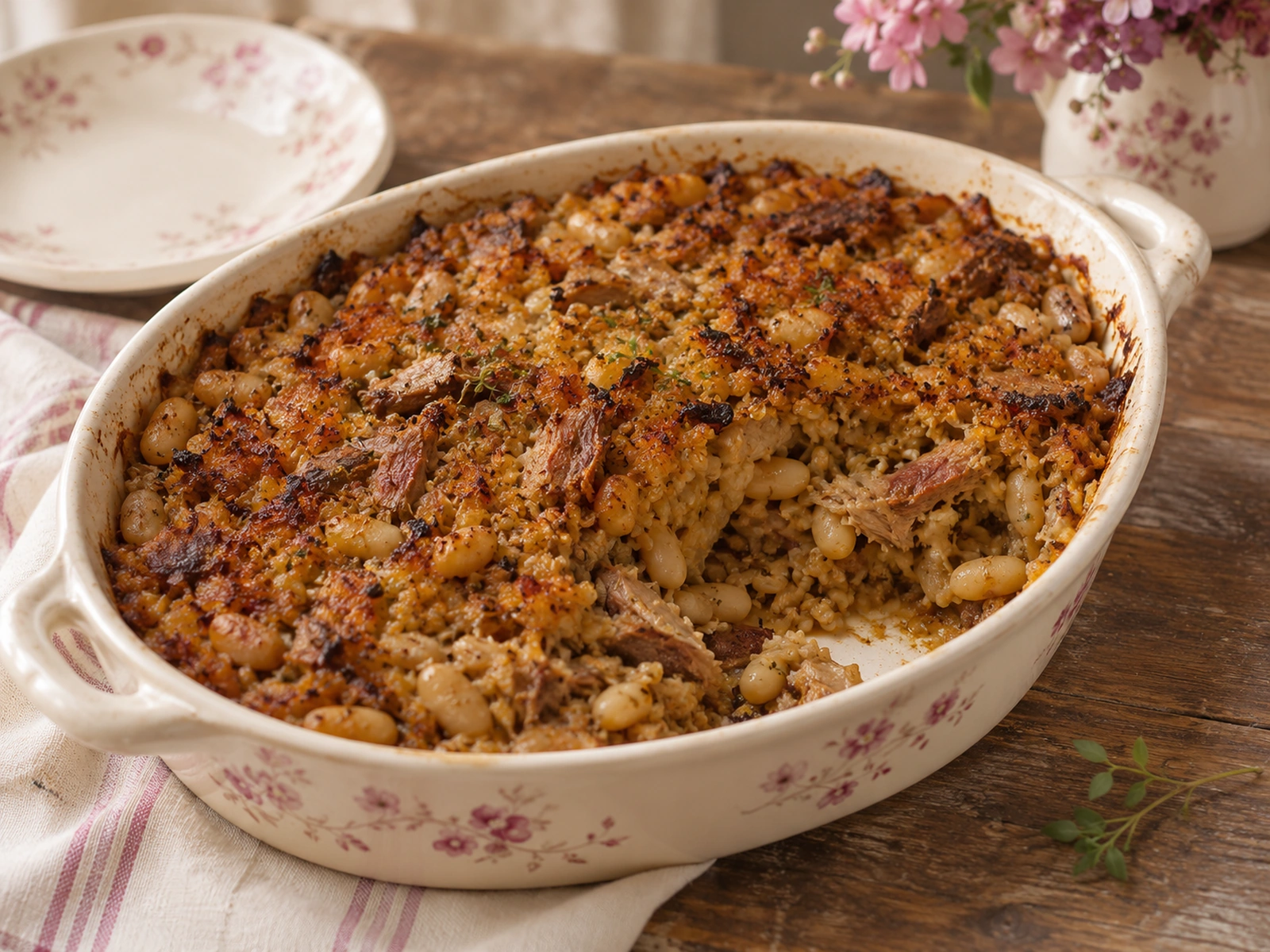
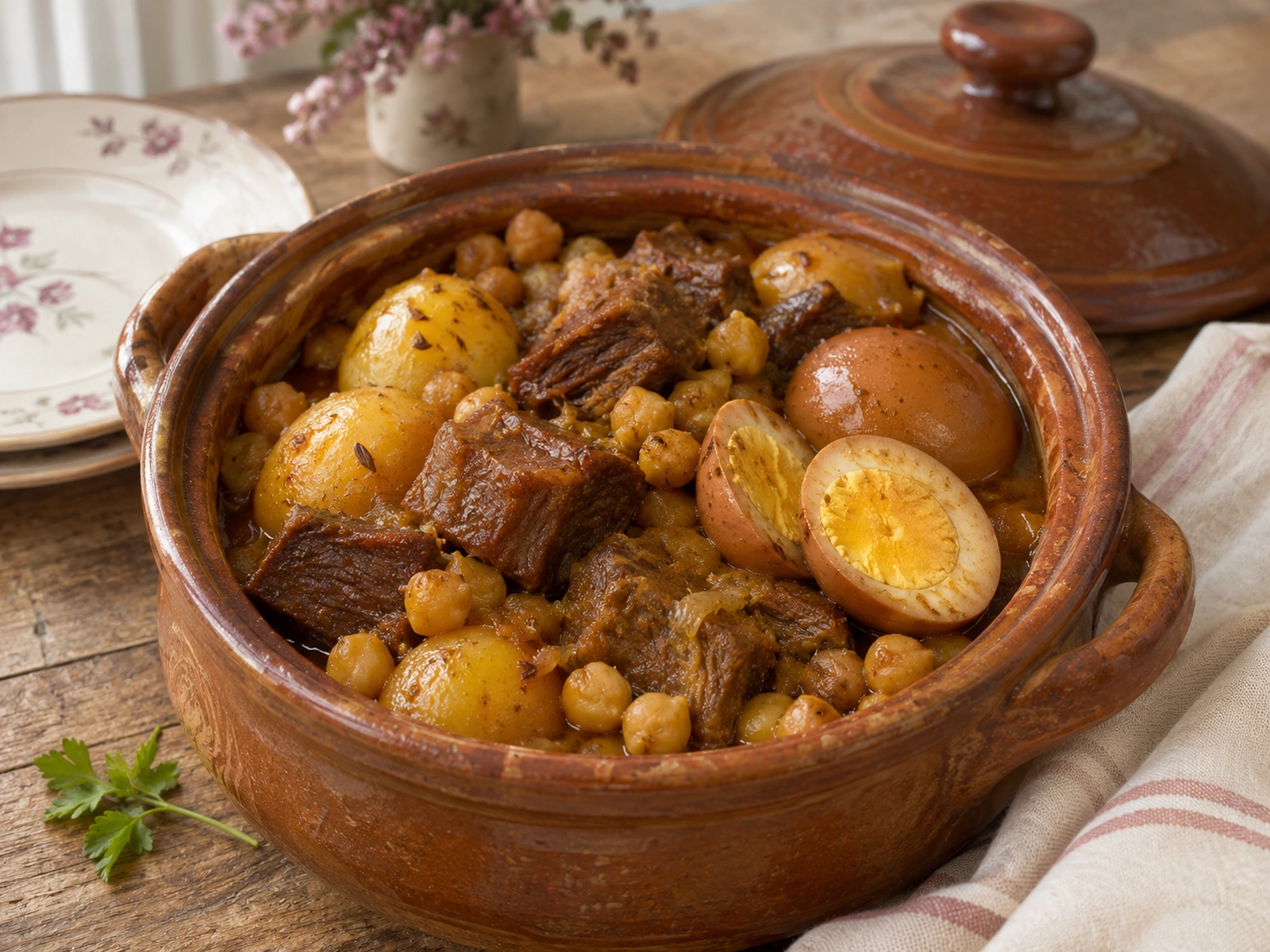
Because there is no cooking on Shabbat, dishes arose that stew overnight: Ashkenazi cholent, Sephardi and North African dafina (hamin), the Yemenite pastry jachnun.19,20
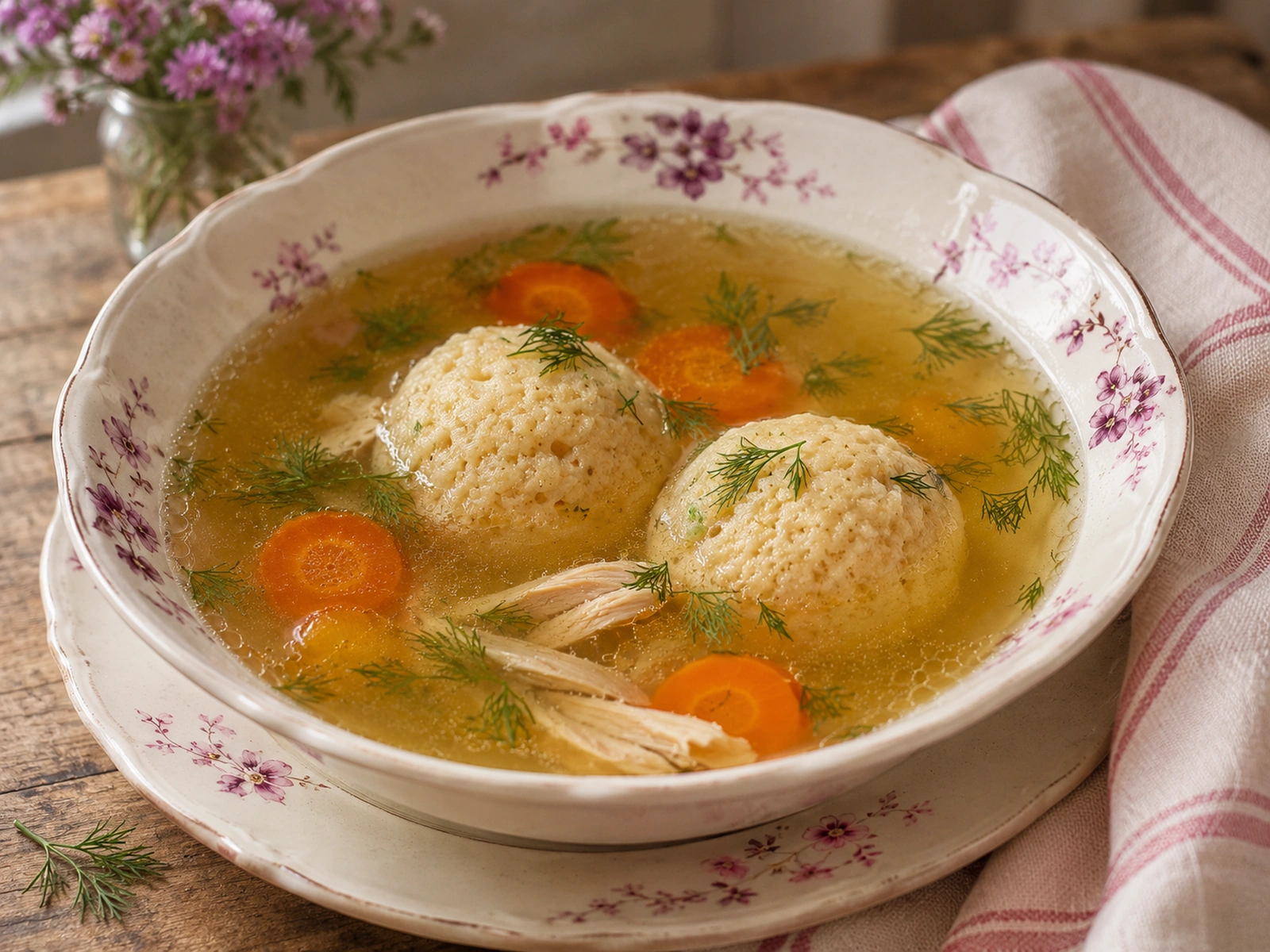
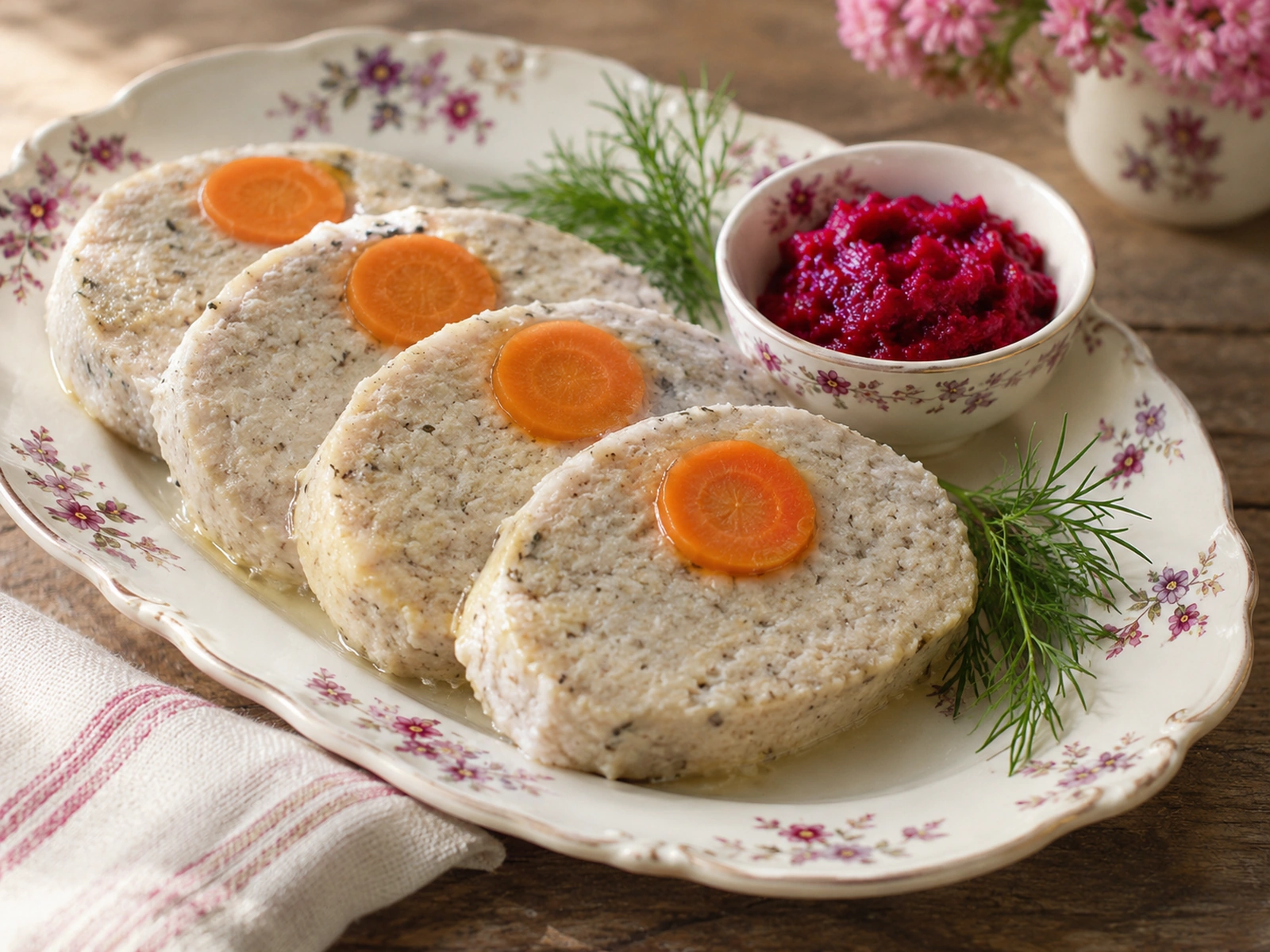
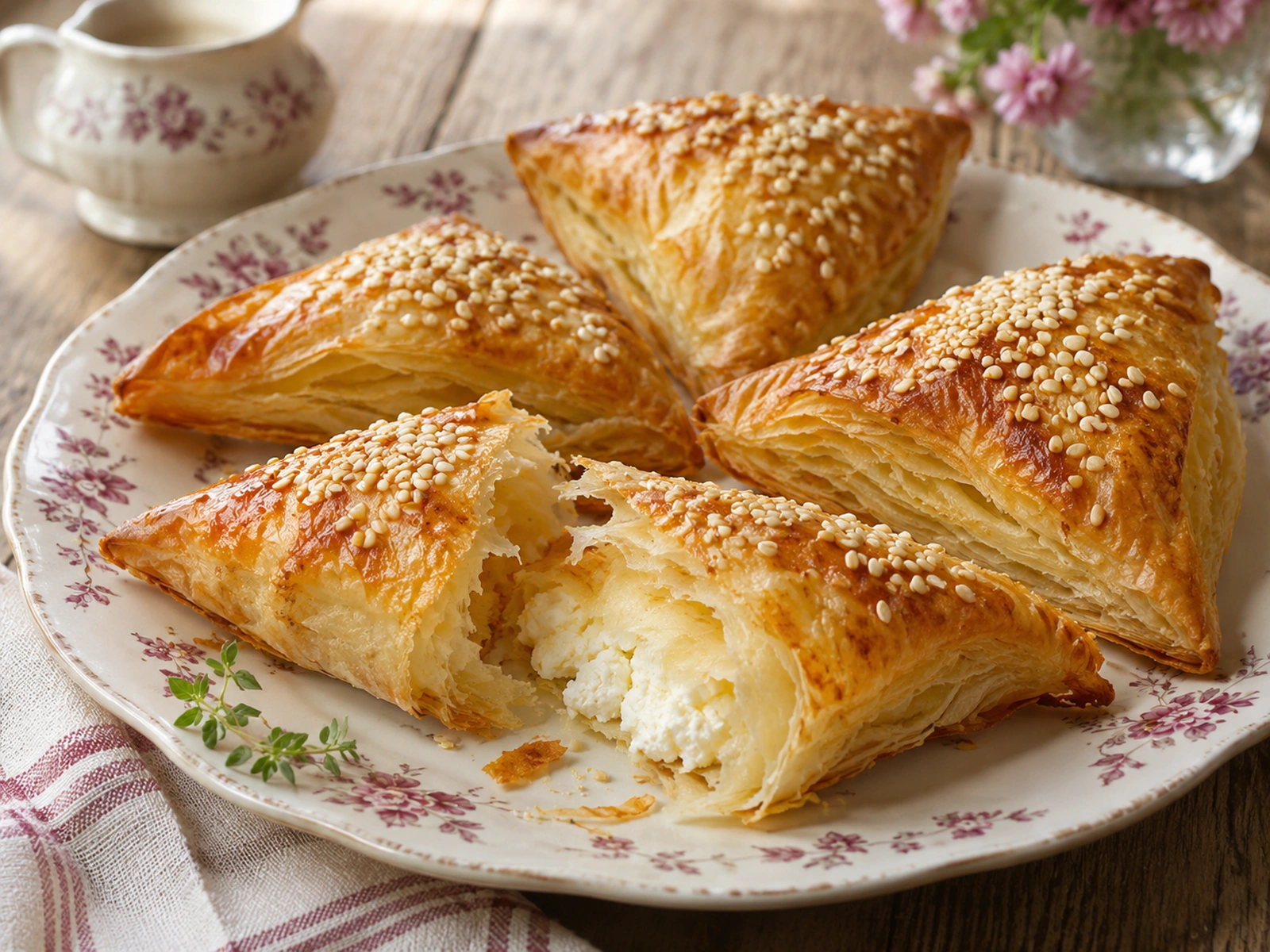
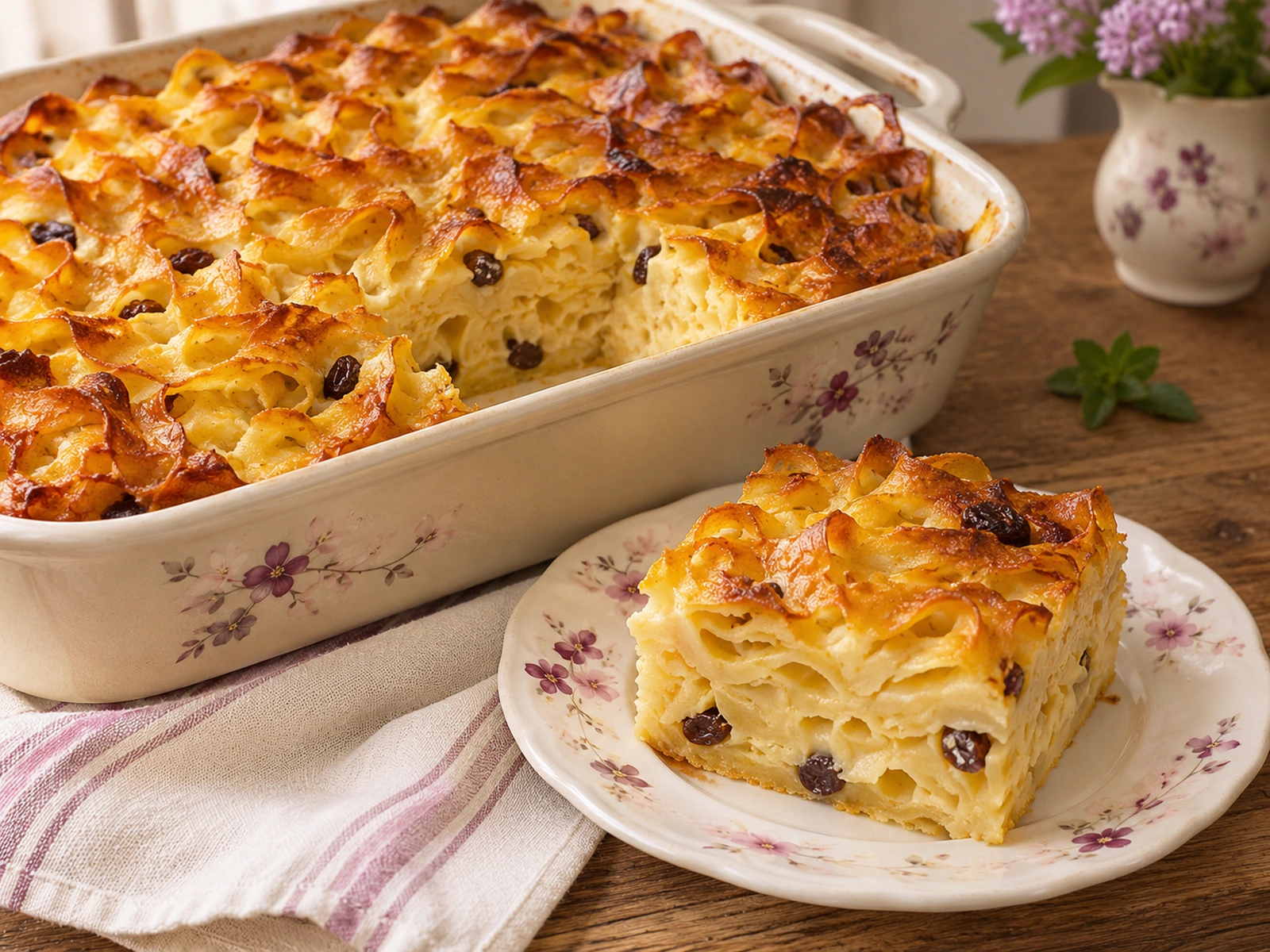
Typical in Ashkenazi families are chicken soup, gefilte fish and kugel; the foundation of the table is always challah.20
Differences between communities
Ashkenazim usually cover their eyes during the candle blessing and recite the blessing only after lighting; Sephardi women, following the Shulchan Arukh, often recite the blessing before lighting.21
Sephardi and Mizrahi Jews often begin Friday evening by singing the Song of Songs and use fragrant herbs (mint, myrtle) for havdalah, while Ashkenazim tend to use cloves and cinnamon.
In Israel Shabbat sets the rhythm of public life: shops close on Friday afternoon, and in many cities public transport does not run. The extent of Shabbat restrictions in the public sphere is the subject of long-running political debate.
In the Czech lands
In Prague, Shabbat services are held in the Old-New Synagogue (Altneuschul), which has been the center of the Prague rite since the Middle Ages, as well as in other synagogues. According to Prague tradition, Psalm 92 (Mizmor shir le-yom ha-Shabbat) is repeated twice in the Old-New Synagogue, a practice that legend connects with the Maharal and the golem.
The collections of the Jewish Museum in Prague include Shabbat objects from Bohemian and Moravian communities – kiddush cups, candlesticks, havdalah spice boxes and challah covers.22
For children
Shabbat is like a holiday every week. For six days people work and go to school; on the seventh day the family rests, sits together at the table, sings and is in no hurry to go anywhere.
Children often help set the table, cover the challot and, on Saturday evening, hold the braided candle during havdalah. On Friday evening parents bless them by placing their hands on their heads.
FAQ
When exactly does Shabbat begin and end?
It begins on Friday before sunset with the lighting of candles and ends on Saturday after nightfall, when three stars are visible in the sky. Exact times vary by location and season; they are calculated, for example, by Hebcal.
Why does Shabbat start in the evening?
The Jewish day begins in the evening, following the account of creation: “And there was evening and there was morning, one day.”
What is not allowed on Shabbat?
In Orthodox practice, the 39 categories of creative work derived from the Mishnah – among them cooking, kindling fire, writing, commerce and carrying in the public domain – and their rabbinic extensions. Liberal movements interpret them more loosely.
Can I celebrate Shabbat even if I am not religious?
Many families celebrate only the Friday-night dinner with candles, kiddush and challah. This is a widespread and respected form, even though from the standpoint of halakhah it does not cover all the obligations.
How do people greet each other on Shabbat?
“Shabbat shalom” (Hebrew); in Ashkenazi communities also the Yiddish “Gut Shabbes”.
Do the Shabbat prohibitions apply during illness?
No – if a life is in danger, saving it takes precedence over all Shabbat prohibitions. For milder illnesses, a halakhic authority decides.⁂ To verify
Sources
Primary sources
- 1Exodus, 20:8–11 text ↗
- 2Deuteronomy, 5:12–15 text ↗
- 3Mishnah Shabbat, 7:2 text ↗
- 4Genesis, 2:1–3 text ↗
- 5Exodus, 20:11 text ↗
- 6Deuteronomy, 5:14–15 text ↗
- 7Exodus, 31:16–17 text ↗
- 8Isaiah, 58:13–14 text ↗
- 9Proverbs, 31:10–31 text ↗
- 10Babylonian Talmud, Shabbat, 119b text ↗
- 11Shulchan Arukh, Orach Chayim, 263 text ↗
- 12Exodus, 35:3 text ↗
- 13Babylonian Talmud, Pesachim, 106a text ↗
- 14Shulchan Arukh, Orach Chayim, 271 text ↗
- 15Siddur
- 16Exodus, 16:22–30 text ↗
- 17Babylonian Talmud, Shabbat, 117b text ↗
- 18Exodus, 16:25 text ↗
- 21Shulchan Arukh, Orach Chayim, 263:5 text ↗
- 24Genesis, 1:5 text ↗
- 25Mishnah Shabbat
- 26Babylonian Talmud, Shabbat
- 27Shulchan Arukh, Orach Chayim, 242–344 text ↗