Dietary laws
Kashrut
כַּשְׁרוּתWhat is and is not kosher, and why. The rules with their sources, the differences between communities and movements, and what they mean at the table and in the kitchen.
Mazeltov.cz explains; it does not rule. Kashrut practice varies by community, movement and family. For a specific situation, ask the rabbi of your community. The texts in this section are editorial drafts awaiting expert review.
Topics
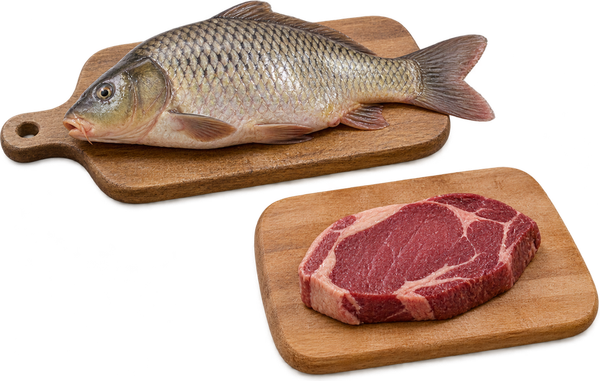
- Permitted AnimalsWhich animals may be eaten under kashrut: mammals, fish, birds and insects, borderline cases, and the rules for eggs, milk and honey.
- Shechitah and Preparing MeatHow a permitted animal becomes kosher meat: shechitah, lung inspection and glatt, treifah and nevelah, salting, forbidden fat and nikkur.
- Meat and MilkWhy a kosher kitchen separates meat from milk: three verses of the Torah, oral interpretation, separate dishes, waiting after meat, a shared table.
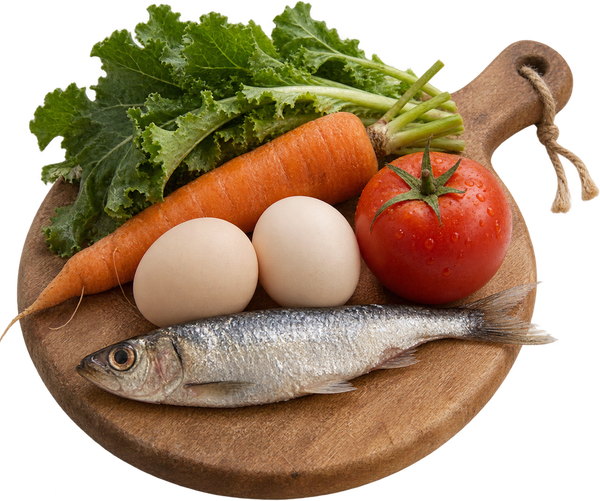
- Parve and FishWhat parve means, when a neutral food stops being neutral, why fish is not eaten with meat, and how fish and dairy relate.
- The Kosher KitchenHow a kosher kitchen works: separate meat and dairy dishes, labelling, sink and dishwasher, oven, materials, kashering, vessel immersion and tips for guests.
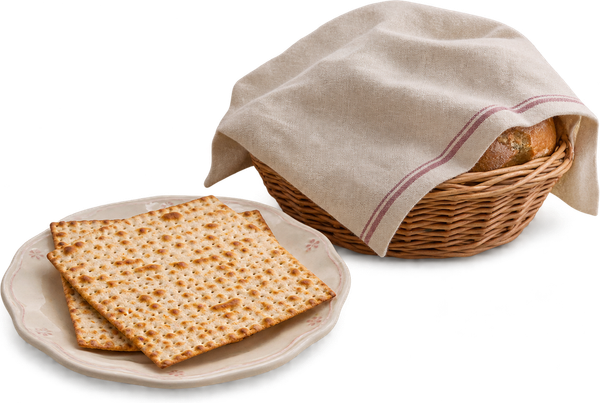
- Kashrut for PassoverKashrut for Passover: the ban on chametz, the five grains, matzah, kitniyot, searching for and selling chametz, Passover dishes and kosher le-Pesach labels.
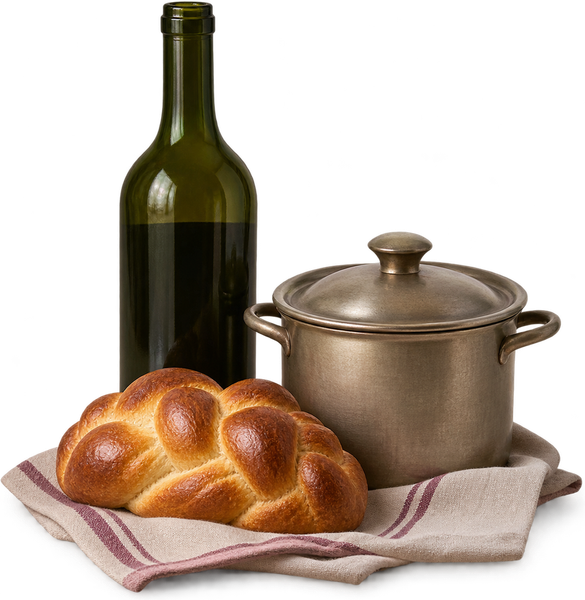
- Wine, Bread and CookingWhy kosher wine has special rules, what pat Yisrael, bishul Yisrael and chalav Yisrael mean, and how challah is separated. Differences between communities.
- Certification and HechsherHow kosher certification works: the mashgiach’s role, hechsher symbols, the D, pareve and P marks, differing standards and the situation in Czechia.

Kashrut at a glance Recipes by category (meat, dairy, parve)
Can I eat these together?
Choose two foods. The answer summarises the Orthodox norm and the most common customs.
Choose…
A summary, not a halakhic ruling. Awaiting expert review.