Pilgrimage festivals
Passoverפֶּסַח
8 days (days 1, 2, 7 and 8 are festival days) · 15–21 Nisan (in the diaspora until 22 Nisan)
- History
- Bible
- Halakhah
- Minhag
- Modern practice
- Interpretation
- Transliteration
- Pesach / Passover
- Pronunciation
- PE-sach
- Duration
- Israel: 7 days (days 1 and 7 are festival days, with chol ha-moed between them)
Diaspora: 8 days (days 1, 2, 7 and 8 are festival days)
In 60 seconds
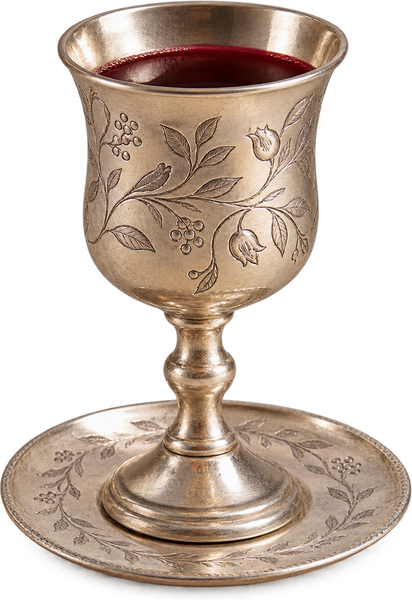
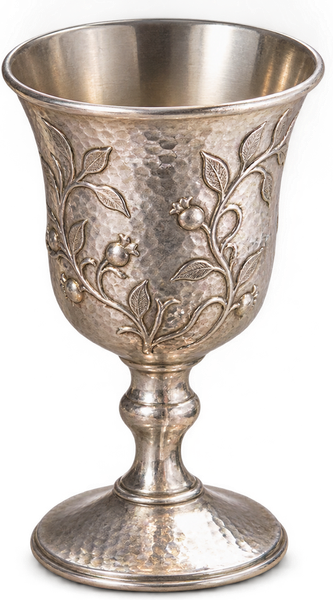
Passover commemorates the Exodus of the Israelites from slavery in Egypt. It is one of the three pilgrimage festivals and begins on 15 Nisan, in spring. It lasts seven days in Israel and eight in the diaspora. Throughout the festival the Torah forbids eating or even owning chametz, that is, leavened grain products, and commands eating matzah. That is why the home is thoroughly cleaned beforehand and the chametz is searched for, nullified and burned. The high point is the seder night: the family at the table reads the Haggadah, tells the children the story of the Exodus, drinks four cups of wine and eats the symbolic foods from the seder plate, maror and charoset. From the second evening the Omer is counted up to Shavuot. Ashkenazim traditionally do not eat legumes and rice (kitniyot) either; Sephardim and Mizrahi Jews do.
Next date
Open the guide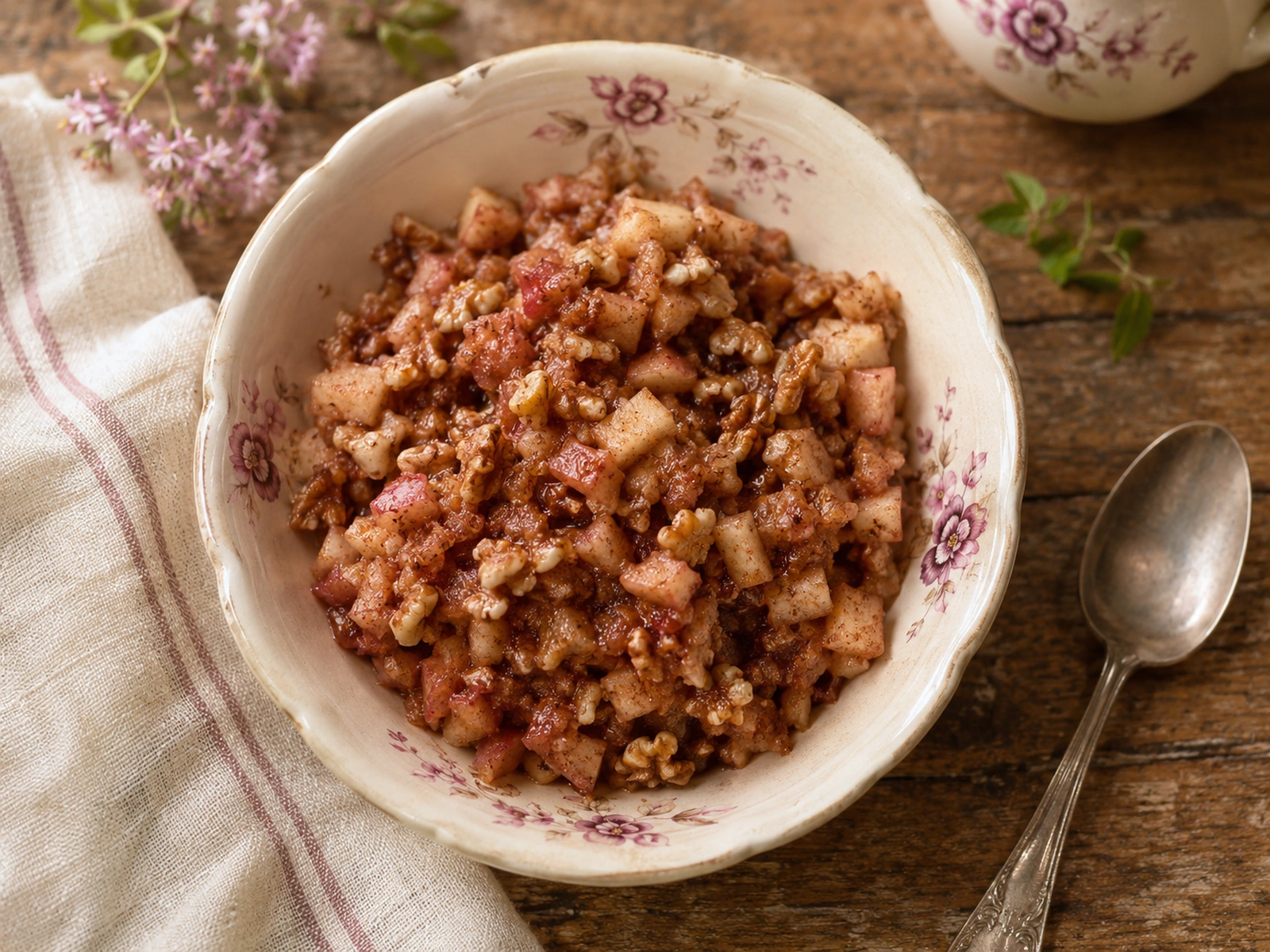
When
Begins
Wednesday, 21 April 2027, at sunset (20:05)
candle lighting: 19:47
Ends
Thursday, 29 April 2027, after nightfall (21:12)
8 days
Begins
Monday, 10 April 2028, at sunset (19:49)
candle lighting: 19:31
Ends
Tuesday, 18 April 2028, after nightfall (20:53)
8 days
Begins
Friday, 30 March 2029, at sunset (19:31)
candle lighting: 19:13
Ends
Saturday, 7 April 2029, after nightfall (20:34)
8 days
Times for Prague · Diaspora
History and origins
The Torah tells of the enslavement of the Israelites in Egypt, the ten plagues and the departure by night after the last plague, when God “passed over” (pasach) the houses of the Israelites. The Passover offering of the lamb and the meal with matzah and bitter herbs are instituted in Exodus 12.1,2
The festival is included in the calendar of festivals as chag ha-matzot (the festival of unleavened bread) and as one of the three pilgrimage festivals, when people went up to the Temple.3,4,5
After the destruction of the Second Temple (70 CE) the lamb offering ceased and the centre of the festival became the home seder, whose order is already recorded in the Mishnah (Pesachim 10): four cups, the children's questions, the explanation of Pesach, matzah and maror. The text of the Haggadah took shape during the Geonic period.6,7
The historicity of the Exodus in the form described by the Bible is a matter of scholarly debate; for the festival's religious meaning, what is decisive is collective memory and the commandment to tell the story.
Religious meaning
Central is the commandment to tell the children: “And you shall tell your son on that day…”. The Mishnah adds that in every generation a person should see himself as if he himself had come out of Egypt.8,9
In later literature chametz and matzah are often interpreted symbolically: leaven as pride and being “puffed up”, matzah as humility and the bread of poverty (lechem oni).10
Passover is also called zman cherutenu – “the time of our freedom” – and chag ha-aviv – the festival of spring. Modern Haggadot (e.g. Reform or secular kibbutz ones) extend it to themes of liberation in general.
Core traditions
Bedikat chametz: on the evening before Passover (the night of 14 Nisan) the home is searched by candlelight. On the morning of 14 Nisan comes bi'ur chametz (burning) and the declaration nullifying the chametz (kol chamira, in Aramaic).11,12
The sale of chametz (mechirat chametz) to a non-Jew through a rabbi makes it possible to keep sealed-off stocks. The Fast of the Firstborn (ta'anit bechorot) on 14 Nisan is usually broken by attending a celebration of the completion of a course of study (siyum).13
Before the festival ma'ot chitim is given – a contribution to help the poor buy Passover food.14
How it is observed
Throughout the festival it is forbidden to eat, own or even have in sight chametz – products of wheat, barley, rye, oats and spelt that have risen. At the seder it is obligatory to eat matzah (especially matzah shmurah).15,16
Kitniyot: according to the Rema's gloss, the Ashkenazi custom is not to eat legumes, rice, maize and similar crops on Passover. Sephardi and Mizrahi communities do not have this custom (some sort through the rice beforehand). In 2015 the Conservative movement in the USA permitted kitniyot for Ashkenazim.17
Prayers and blessings
The central text is the Haggadah (הַגָּדָה, “telling”): the questions of Ma nishtanah, the four sons, the midrash on “My father was a wandering Aramean”, the ten plagues, Dayenu, Hallel and closing songs such as Chad Gadya.20,21,22
On the first day the prayer for dew (Tefilat Tal) is said in Musaf, and from then on the mention of rain ceases. On Passover the full Hallel is recited only on the first day (in the diaspora two days); thereafter it is abbreviated.23,24
On Shabbat chol ha-moed Ashkenazi communities read the Song of Songs; in some Sephardi families it is read after the seder.25
Symbols and objects
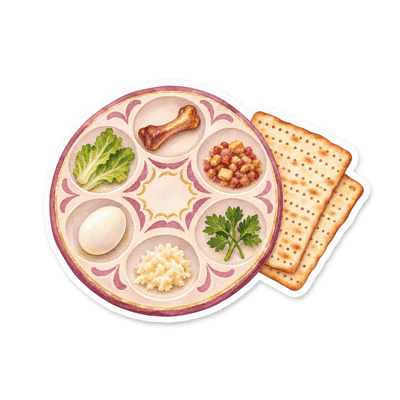
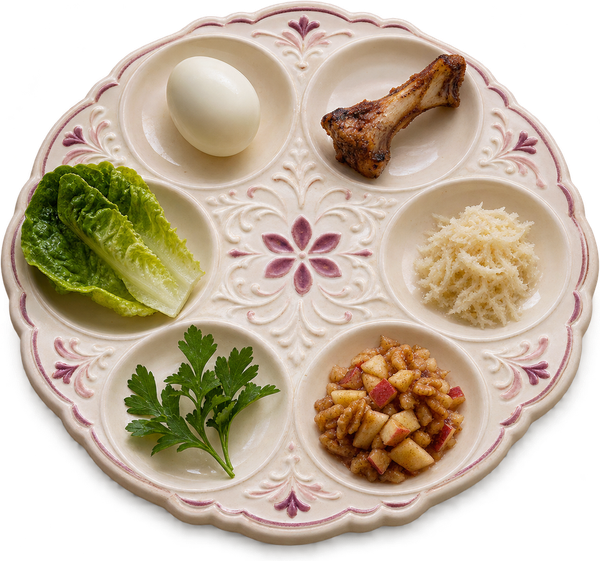
The seder plate holds the zeroa (roasted bone), beitzah (egg), maror, charoset, karpas and often chazeret. Their arrangement varies: Ashkenazim often follow the Rema or the Ari (Luria), Sephardim mostly the Ari.26
Traditional foods
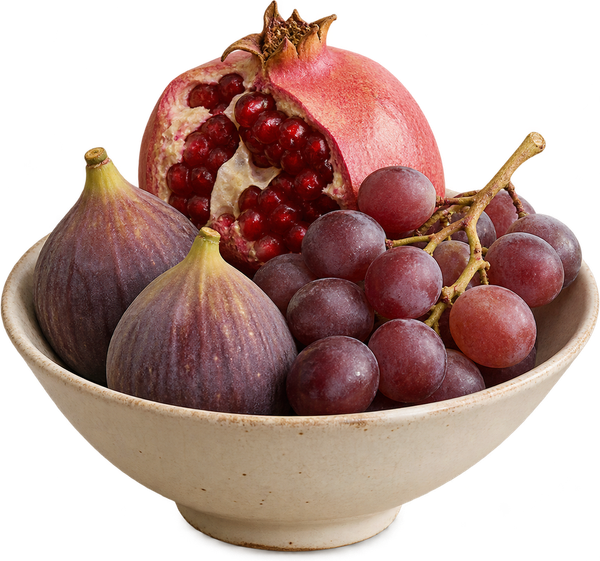
Charoset recalls the mortar with which the slaves built. The Ashkenazi version is made of apples, nuts and wine; Sephardi and Mizrahi versions of dates, figs or raisins.28
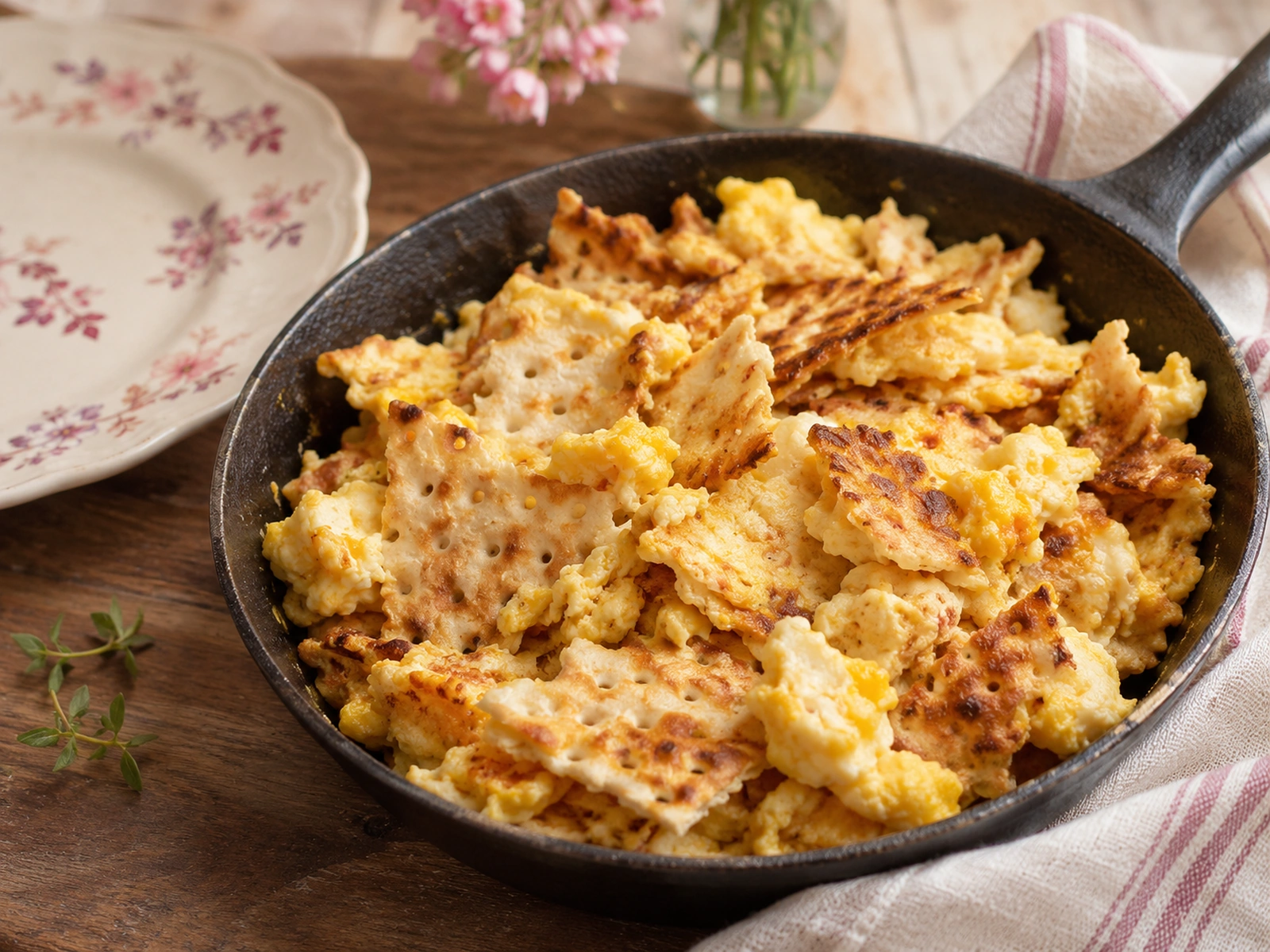
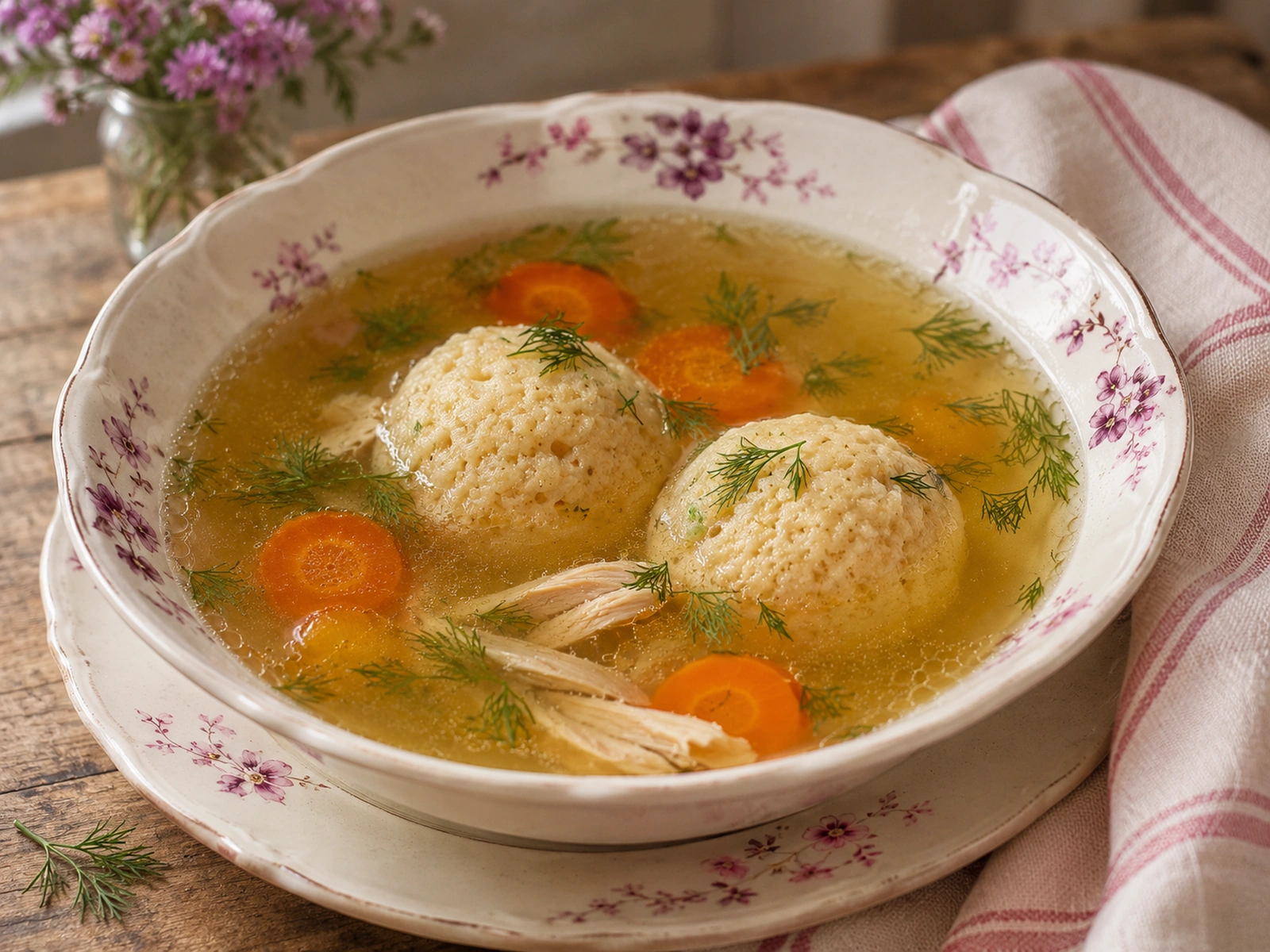
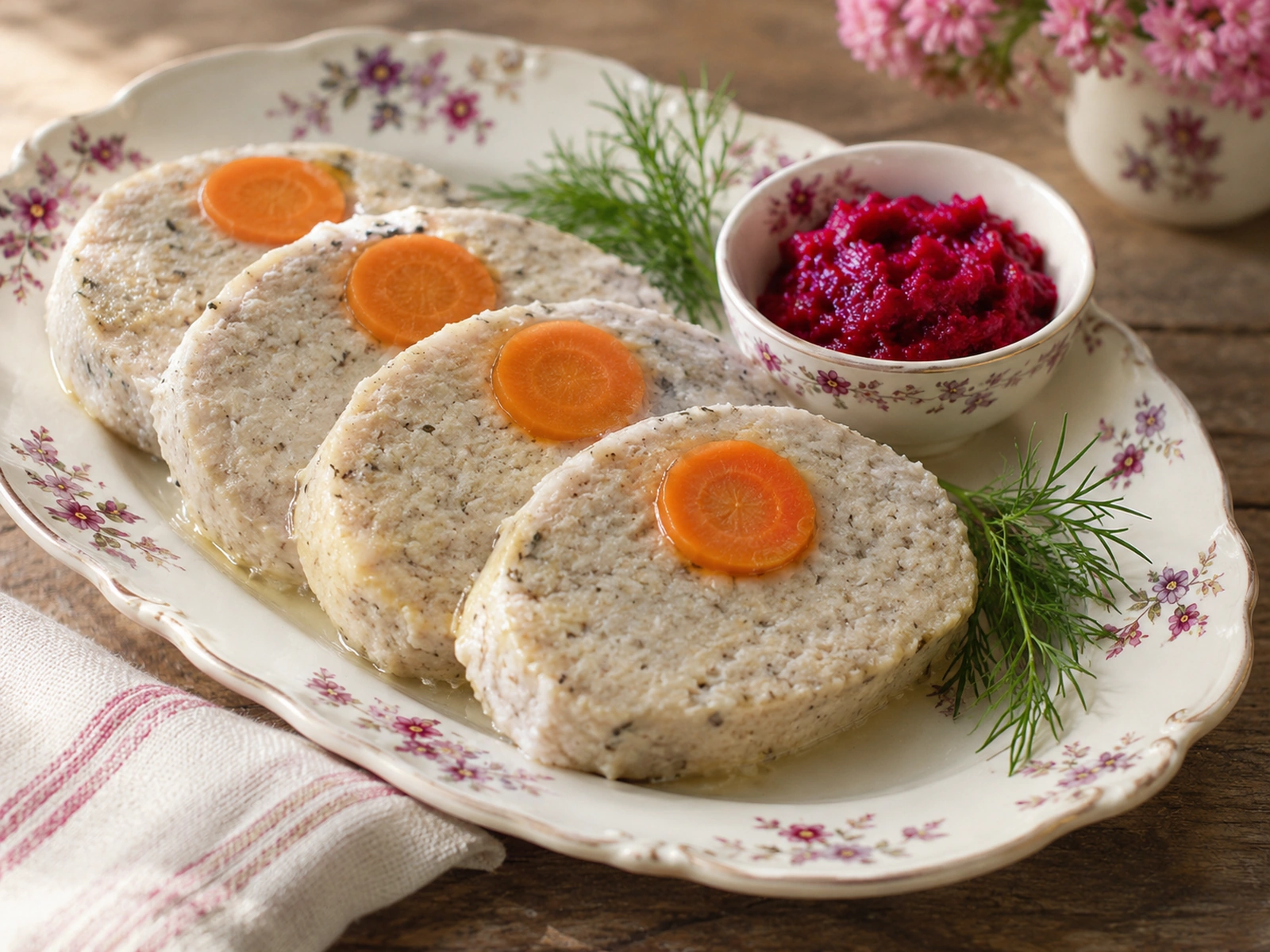
Ashkenazi Passover cuisine: gefilte fish, chicken soup with matzah balls, matzah brei. Many Hasidic families avoid wetting matzah (gebrokts).29
Passover cooking requires ingredients with Passover certification and Passover or kashered utensils; a dish is not “kosher for Passover” in and of itself.
Differences between communities
On the evening after Passover ends, Moroccan communities celebrate Mimouna – open houses, sweets and mufleta. In Israel it has become a public celebration.
Persian and Afghan Jews symbolically whip one another with spring onions during Dayenu; in some Sephardi families people walk around at the seder with matzah on their backs, as if just leaving Egypt.
Ethiopian Jews (Beta Israel) celebrated Passover (Fasika) with their own traditions, including the sacrifice of a lamb.
In the Czech lands
The Prague Haggadah of 1526, printed in the workshop of Gershom Kohen, is among the most important early illustrated printed Haggadot and influenced later editions.7
Jewish communities in the Czech Republic today organize communal seders and provide matzah and Passover food.30
For children
The seder is geared to children: they ask the four questions, search for the hidden afikoman (by custom for a reward) and wait for the prophet Elijah.21
Children can help search for chametz by candlelight, prepare the charoset, and draw their own Haggadah or seder plate.
FAQ
What is chametz?
A leavened product of wheat, barley, rye, oats or spelt (bread, pastries, pasta, beer, etc.). On Passover it is forbidden both to eat and to own it.⁂ To verify
Why two seders in the diaspora?
The diaspora traditionally celebrates festivals one day longer because of the earlier uncertainty in determining the new month; that is why a seder is also held on the second evening. In Israel there is one seder.
May Ashkenazim eat rice?
According to traditional custom (the Rema), no; this is the minhag of kitniyot. Sephardim and Mizrahi Jews eat rice. The Conservative movement in the USA abolished this custom; Orthodox Ashkenazim keep it.
What is the afikoman?
Half of the middle matzah, which is set aside and eaten at the end of the meal as a “dessert”; nothing more is eaten after it.
Is Passover related to Christian Easter?
Historically, yes: according to the Gospels, Jesus' Last Supper and crucifixion took place at Passover time. They are, however, different festivals with different meanings and dates.
Do I need a seder plate?
The plate is a custom; what matters are the obligatory elements – matzah, maror, the four cups and the telling of the story.
Sources
Primary sources
- 1Exodus, 12:1–28 text ↗
- 2Exodus, 12:29–42 text ↗
- 3Leviticus, 23:4–8 text ↗
- 4Deuteronomy, 16:1–8 text ↗
- 5Deuteronomy, 16:16 text ↗
- 6Mishnah Pesachim, 10:1–9 text ↗
- 8Exodus, 13:8 text ↗
- 9Mishnah Pesachim, 10:5 text ↗
- 10Deuteronomy, 16:3 text ↗
- 11Mishnah Pesachim, 1:1 text ↗
- 12Shulchan Arukh, Orach Chayim, 431:1; 434:2; 445
- 13Shulchan Arukh, Orach Chayim, 448; 470
- 14Shulchan Arukh, Orach Chayim, 429:1 text ↗
- 15Exodus, 12:15–20 text ↗
- 16Shulchan Arukh, Orach Chayim, 429–494 text ↗
- 17Shulchan Arukh, Orach Chayim, 453:1 text ↗
- 18Shulchan Arukh, Orach Chayim, 451–452 text ↗
- 19Leviticus, 23:15–16 text ↗
- 20Passover Haggadah
- 21Mishnah Pesachim, 10:4 text ↗
- 22Deuteronomy, 26:5–8 text ↗
- 23Siddur
- 24Shulchan Arukh, Orach Chayim, 490:4 text ↗
- 25Song of Songs
- 26Shulchan Arukh, Orach Chayim, 473:4 text ↗
- 27Mishnah Pesachim, 10:1 text ↗
- 31Mishnah Pesachim, 2:5 text ↗
- 32Mishnah Pesachim, 10:8 text ↗
- 33Exodus, 12–15 text ↗
- 34Mishnah Pesachim, 1; 10