High Holy Days
Rosh Hashanahרֹאשׁ הַשָּׁנָה
2 days · 1–2 Tishrei
- History
- Bible
- Halakhah
- Minhag
- Folk custom
- Modern practice
- Interpretation
- Transliteration
- Rosh Hashanah
- Pronunciation
- rosh ha-sha-NA
- Duration
- 2 days
In 60 seconds
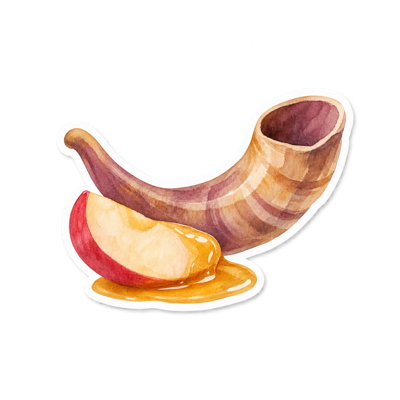
Rosh Hashanah, the “head of the year”, is the Jewish New Year. It is celebrated on 1 and 2 Tishrei, usually in September, for two days both in Israel and in the diaspora. The Torah calls it a day of blowing: the main commandment is to hear the sound of the shofar, a ram’s horn. Tradition understands the day as a day of judgment, when the whole world is assessed, and as the anniversary of the creation of humankind. It opens the Ten Days of Repentance, which culminate in Yom Kippur. At home people eat sweet foods, above all apple dipped in honey and round challah, so that the year will be sweet. On the afternoon of the first day many go to a body of water for the tashlich ceremony. The greeting is “Shanah tovah” – a good year.
Next date
Related recipes
When
Begins
Friday, 1 October 2027, at sunset (18:41)
candle lighting: 18:23
Ends
Sunday, 3 October 2027, after nightfall (19:24)
2 days
Begins
Wednesday, 20 September 2028, at sunset (19:03)
candle lighting: 18:45
Ends
Friday, 22 September 2028, after nightfall (19:47)
2 days
Begins
Sunday, 9 September 2029, at sunset (19:28)
candle lighting: 19:10
Ends
Tuesday, 11 September 2029, after nightfall (20:13)
2 days
Times for Prague · Diaspora
History and origins
The Torah does not call the festival New Year, but a “remembrance of blowing” (zikhron teruah) and a “day of blowing” (yom teruah) on the first day of the seventh month.1,2
The Book of Nehemiah describes an assembly on the first day of the seventh month at which Ezra read the Torah to the people; the people wept and were told to eat rich food and drink sweet drinks, for the day was holy.3
The name Rosh Hashanah and the understanding of the day as the beginning of the year are introduced by the Mishnah, which distinguishes four “new years”; 1 Tishrei is the new year for counting years.4
The two-day celebration even in the Land of Israel is connected with uncertainty about the proclamation of the new moon; rabbinic tradition understands the two days as “one long day”.
Religious meaning
According to the Mishnah, on Rosh Hashanah all people are judged and “pass before God”. The Talmud speaks of three books – of the righteous, the wicked and the intermediate; the verdict on the “intermediate” is deferred until Yom Kippur.5,6
The Midrash connects 1 Tishrei with the creation of humankind; the liturgy therefore says on the festival “today the world was born” (ha-yom harat olam).7
The central theme is God’s kingship (malkhut): the world is judged, but a person has the possibility of return (teshuvah), prayer (tefillah) and charity (tzedakah).8
Core traditions
Throughout the month of Elul, many congregations sound the shofar in the morning and recite the penitential prayers selichot. Sephardim say them from the beginning of Elul, Ashkenazim from the Saturday night before the festival.9
On the afternoon of the first day (or the second, if the first falls on Shabbat) people go to flowing water for the tashlich ceremony – a symbolic “casting away” of sins, based on a verse from Micah. The custom is attested in medieval Ashkenaz.10
The greetings “Shanah tovah”, “Ketivah va-chatimah tovah” (“A good inscription and sealing”) and, in Sephardi communities, “Tizku le-shanim rabot”. Sending New Year greetings has a long tradition.
How it is observed
The main commandment is to hear the sound of the shofar. The notes are distinguished as tekiah (long), shevarim (three broken) and teruah (nine short); it is customary to hear a hundred notes in all.11,12
If the first day falls on Shabbat, the shofar is not sounded.13
It is a festival day (yom tov): no work is done, but unlike on Shabbat, cooking from an existing flame is permitted. Festival candles are lit and kiddush is said with Shehecheyanu.
There follow the Ten Days of Repentance (aseret yemei teshuvah), including the fast day of Tzom Gedaliah and Shabbat Shuvah, culminating in Yom Kippur.
Prayers and blessings
The festival liturgy is found in the machzor. The additional Musaf prayer has three characteristic blessings: Malkhuyot (kingship), Zikhronot (remembrance) and Shofarot (shofar blasts).14,8
A powerful moment is Unetaneh Tokef (“Let us declare the power of the holiness of this day”). Tradition attributes it to Rabbi Amnon of Mainz; scholarship connects it with older Palestinian piyyut poetry.
In Ashkenaz and in many other communities Avinu Malkeinu is recited. The readings are the passages on the birth of Isaac (day 1) and the binding of Isaac – the akedah (day 2).15,16,17
Symbols and objects
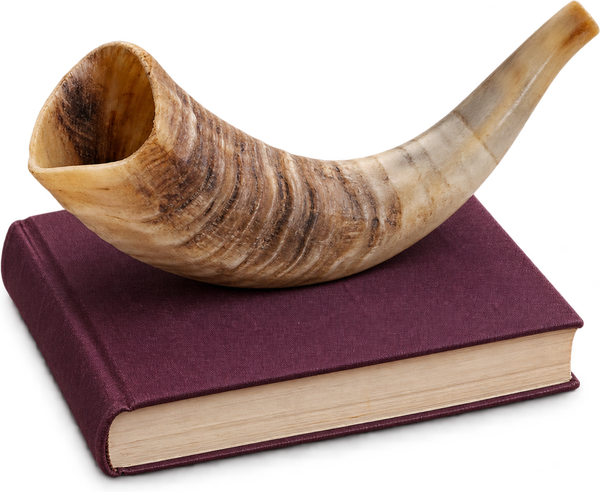
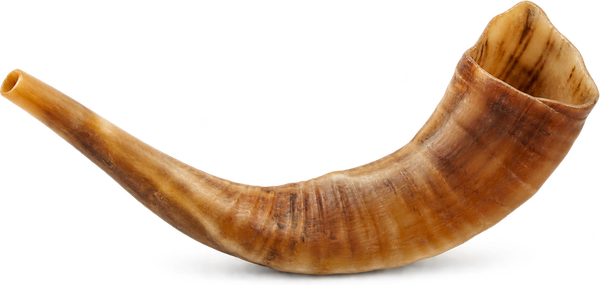
The shofar – a ram’s horn, which also recalls the ram offered in place of Isaac. Its sound is interpreted as a wake-up call to repentance.18
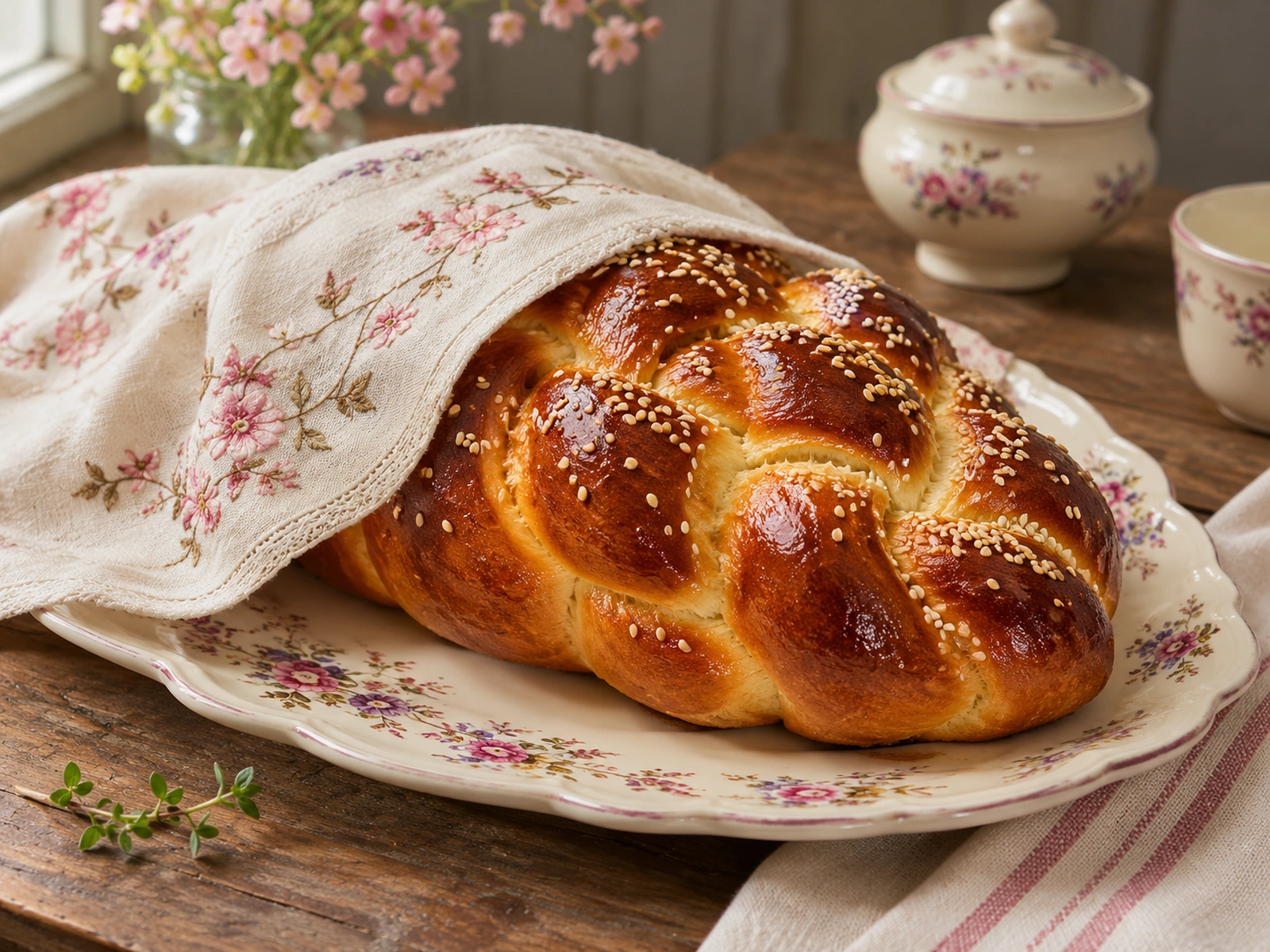
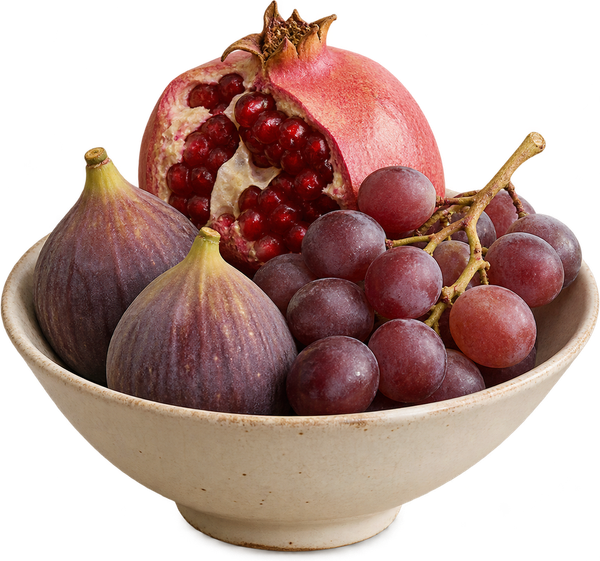
The round challah symbolizes the cycle of the year or the crown of God’s kingship; the apple in honey, the wish for a sweet year; the pomegranate, the wish for many merits.
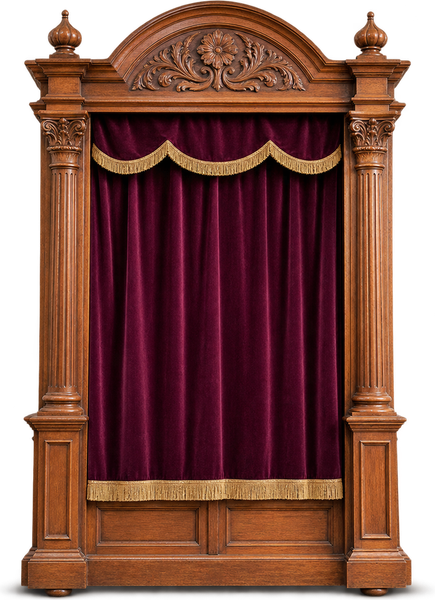
White clothing or white curtains on the aron ha-kodesh express purity and hope for a merciful judgment.
Traditional foods
On the first evening people eat simanim – “signs”: foods whose names or qualities form puns on wishes (dates, leek, beet, pumpkin, pomegranate, the head of a fish or lamb). Sephardim make a whole ceremony of this, the Rosh Hashanah seder.19
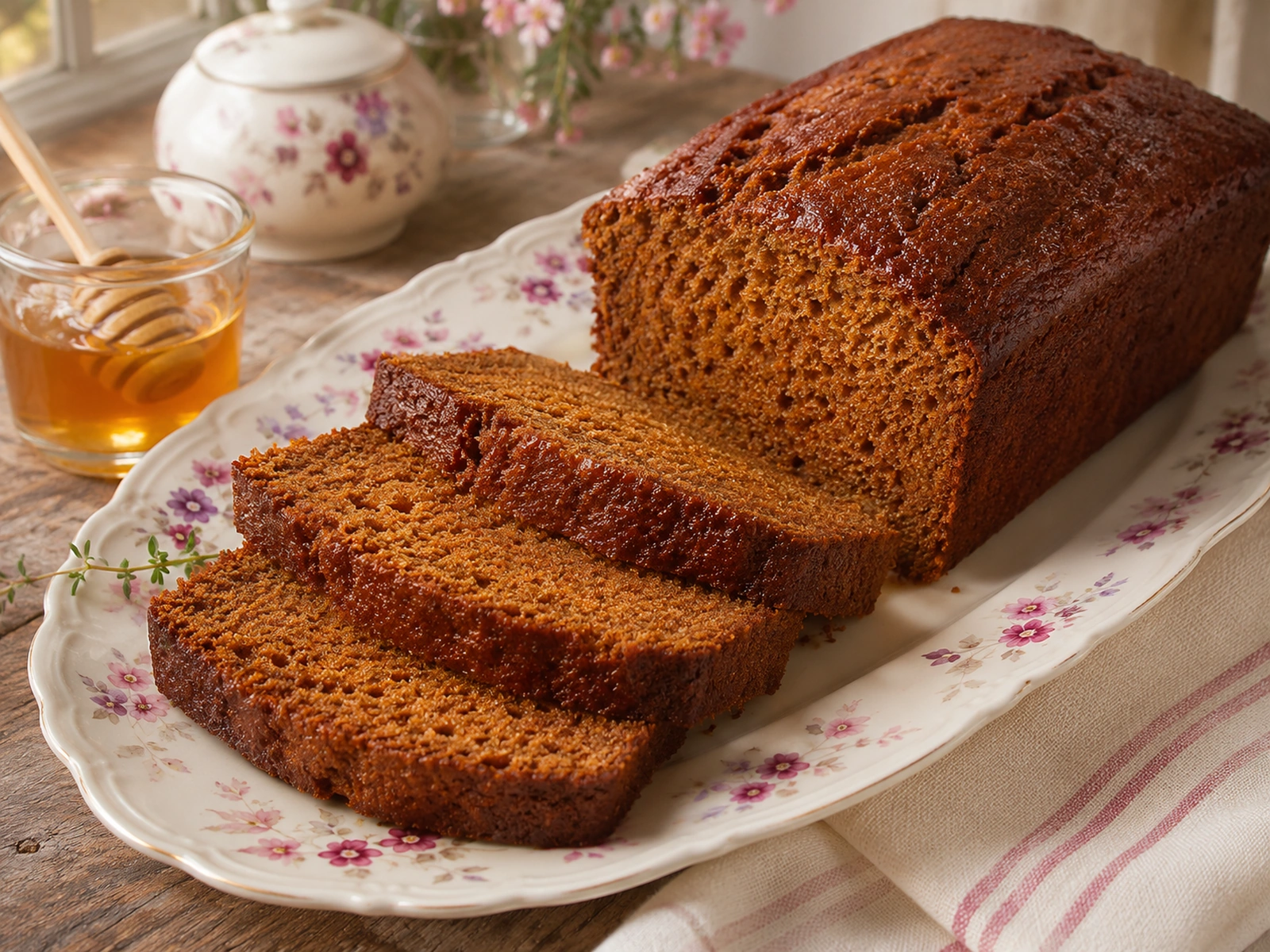
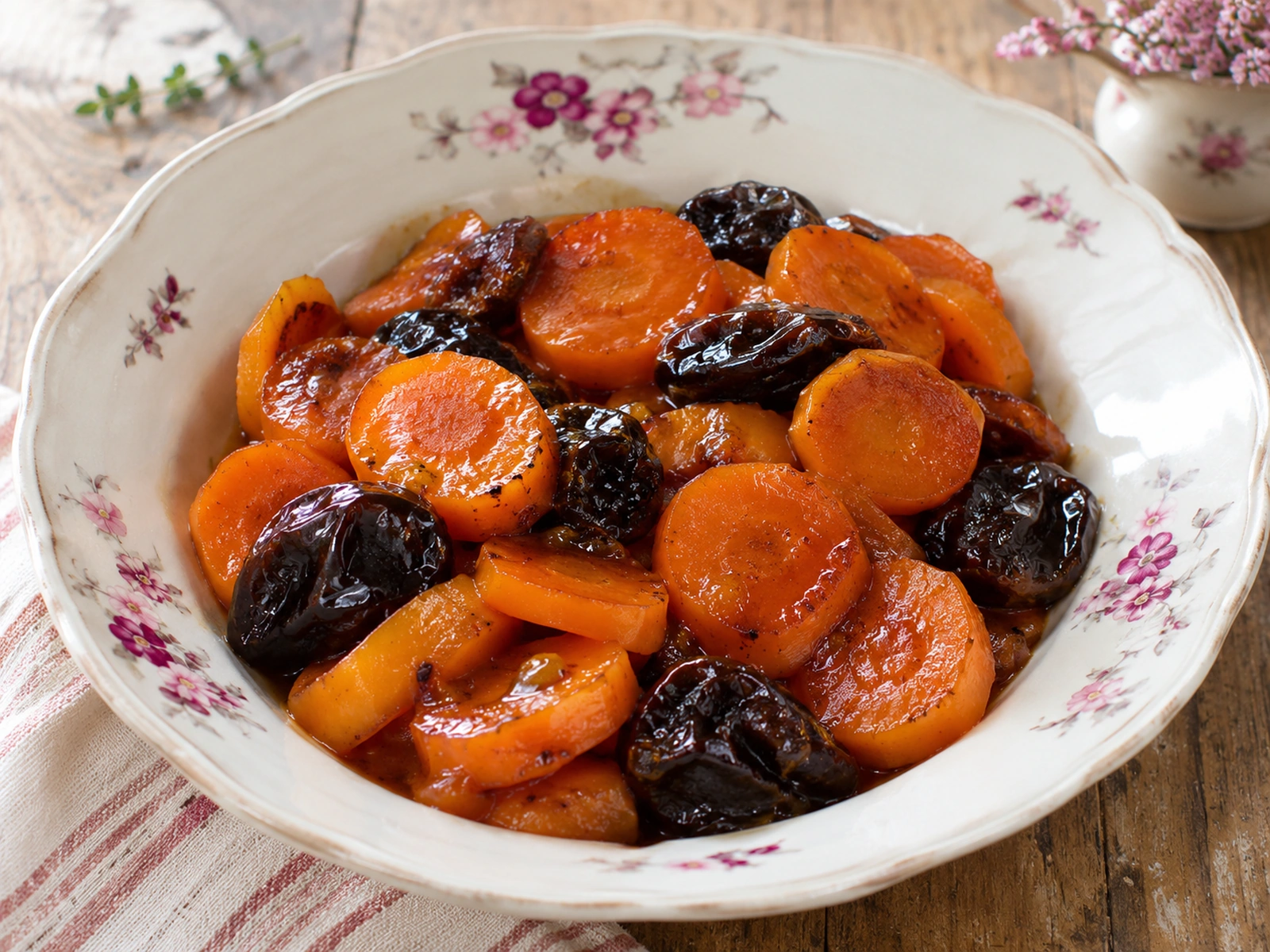
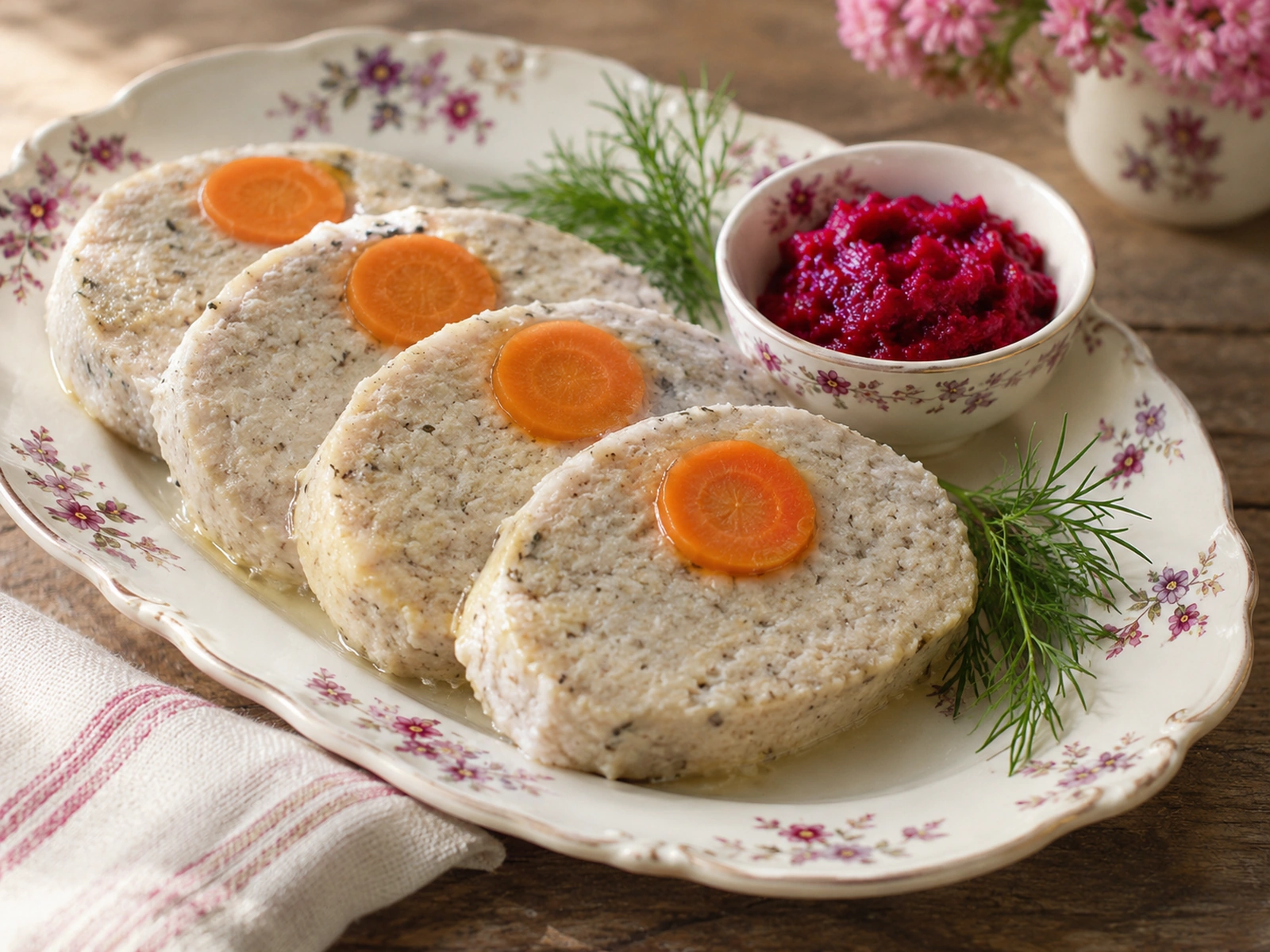
Ashkenazim dip apple and challah in honey, bake honey lekach and serve sweet carrot tzimmes (Yiddish mern means both “carrots” and “to multiply”).20
On the second evening a “new fruit” is eaten (often pomegranate) so that Shehecheyanu can be said again. Some avoid sour and bitter foods and nuts.
Differences between communities
Sephardi and Mizrahi congregations hold a seder with simanim, each food with its own yehi ratzon formula. Ashkenazi congregations have the simpler custom of apple in honey.
Shofar melodies and notes differ: the Ashkenazi, Sephardi and Yemenite shofar (a long kudu horn) sound different; the number and order of notes also vary between rites.
Reform congregations in the diaspora often celebrate only one day. In Israel Rosh Hashanah is a public holiday.
In the Czech lands
Jewish communities in the Czech Republic hold festival services with the sounding of the shofar; in Prague, tashlich traditionally takes place by the Vltava river.
The collections of the Jewish Museum in Prague include shofars and festival textiles (curtains, Torah mantles) from Bohemian and Moravian communities.21
For children
Rosh Hashanah is the world’s birthday. People wish each other a sweet year, so they eat apple dipped in honey.
In the synagogue a ram’s horn – the shofar – is blown. Children count the notes: one long, three short broken ones and nine quick ones.
FAQ
Why is the New Year in autumn when the Torah names Nisan as the first month?
The Torah counts the months from Nisan (spring), but the Mishnah distinguishes several “new years”; 1 Tishrei is the new year for counting years and for the judgment of the world.
Why is Rosh Hashanah celebrated for two days even in Israel?
Because of historical uncertainty in proclaiming the new moon; tradition understands both days as one “long day”. The other pilgrimage festivals are celebrated for only one day in Israel.⁂ To verify
What is the greeting for Rosh Hashanah?
“Shanah tovah” (a good year), “Shanah tovah u-metukah” (a good and sweet year), “Ketivah va-chatimah tovah” (a good inscription and sealing).
What is tashlich?
A ceremony by flowing water at which verses from Micah are recited and sins are symbolically “cast away”, often by emptying crumbs from one’s pockets.
Is the shofar sounded on Shabbat?
No. If the first day falls on Shabbat, the shofar is sounded only on the second day.
Sources
Primary sources
- 1Leviticus, 23:23–25 text ↗
- 2Numbers, 29:1–6 text ↗
- 3Nehemiah, 8:1–12 text ↗
- 4Mishnah Rosh Hashanah, 1:1 text ↗
- 5Mishnah Rosh Hashanah, 1:2 text ↗
- 6Babylonian Talmud, Rosh Hashanah, 16b text ↗
- 7Midrash Rabbah, Vajikra raba 29:1
- 8Machzor
- 9Shulchan Arukh, Orach Chayim, 581:1 text ↗
- 10Micah, 7:19 text ↗
- 11Babylonian Talmud, Rosh Hashanah, 34a text ↗
- 12Shulchan Arukh, Orach Chayim, 590 text ↗
- 13Mishnah Rosh Hashanah, 4:1 text ↗
- 14Mishnah Rosh Hashanah, 4:5 text ↗
- 15Genesis, 21 text ↗
- 16Genesis, 22 text ↗
- 17I Samuel, 1:1–2:10 – haftara 1. dne text ↗
- 18Genesis, 22:13 text ↗
- 19Shulchan Arukh, Orach Chayim, 583:1 text ↗
- 22Exodus, 12:2 text ↗
- 23Micah, 7:18–20 text ↗
- 24Mishnah Rosh Hashanah
- 25Babylonian Talmud, Rosh Hashanah