Pilgrimage festivals
Sukkotסֻכּוֹת
7 days (days 1–2 full festival days, then chol ha-moed); followed by Shemini Atzeret and Simchat Torah · 15–21 Tishrei
- History
- Bible
- Halakhah
- Minhag
- Folk custom
- Modern practice
- Interpretation
- Transliteration
- Sukkot
- Pronunciation
- su-KOT
- Duration
- Israel: 7 days (day 1 a full festival day, then chol ha-moed); followed by Shemini Atzeret
Diaspora: 7 days (days 1–2 full festival days, then chol ha-moed); followed by Shemini Atzeret and Simchat Torah
In 60 seconds
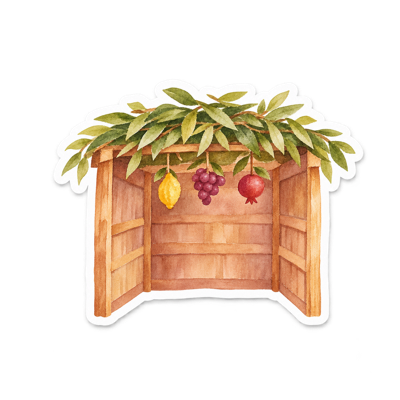
Sukkot, the Festival of Booths, begins five days after Yom Kippur and lasts seven days. It is one of the three pilgrimage festivals, when in Temple times people went up to Jerusalem. The Torah commands dwelling for seven days in booths, sukkot, in memory of the wandering in the wilderness, and taking four species of plants: the etrog, a palm branch, myrtle and willow. It is also a harvest festival, and the Torah calls it a season of joy. The sukkah has a roof of branches or reeds through which the sky can be seen; meals are eaten in it, and many also sleep in it. The first day (two days in the diaspora) is a full festival day; the following days are intermediate days. The seventh day, Hoshana Rabbah, closes the period of judgment. Shemini Atzeret and Simchat Torah follow immediately.
Next date
Open the guideRelated recipes
When
Begins
Friday, 15 October 2027, at sunset (18:11)
candle lighting: 17:53
Ends
Friday, 22 October 2027, after nightfall (18:46)
7 days
Begins
Wednesday, 4 October 2028, at sunset (18:33)
candle lighting: 18:15
Ends
Wednesday, 11 October 2028, after nightfall (19:06)
7 days
Begins
Sunday, 23 September 2029, at sunset (18:57)
candle lighting: 18:39
Ends
Sunday, 30 September 2029, after nightfall (19:30)
7 days
Times for Prague · Diaspora
History and origins
The Torah establishes Sukkot as a seven-day festival from the 15th day of the seventh month: dwelling in booths and taking the four species.1,2
As an agricultural festival it is called the “festival of ingathering” (chag ha-asif); Deuteronomy commands rejoicing on it.3,4
In the Temple a festive water-drawing ceremony was held (simchat beit ha-sho’evah); the Mishnah says that whoever has not seen it has never seen joy in his life.5
After the return from the Babylonian exile, according to the Book of Nehemiah, the people again built booths on the roofs and in the courtyards of Jerusalem.6
Religious meaning
The Torah explains the sukkah by saying that God made the Israelites dwell in booths when He brought them out of Egypt. The Talmud gives two interpretations: these were actual tents, or the “clouds of glory” that protected the people.7,8
The sukkah recalls the fragility of human existence: after the solemn days of Rosh Hashanah and Yom Kippur, a person moves from a solid house to a temporary roof and learns joy and trust.
The prophet Zechariah sees Sukkot as the festival when all nations will go up to Jerusalem; tradition therefore also views Sukkot in universal terms.9
Core traditions
Building the sukkah often begins right after Yom Kippur ends. Children decorate the sukkah with fruit, paper chains and pictures.
In Ashkenazi and Hasidic circles the ushpizin are ceremonially “invited” into the sukkah – seven biblical guests: Abraham, Isaac, Jacob, Moses, Aaron, Joseph and David. Some modern congregations also invite biblical women.
In Ashkenaz the Book of Ecclesiastes (Kohelet) is read on the Shabbat of the intermediate days.10
Every seven years the hakhel assembly with a Torah reading was held in the Temple; in Israel today it is commemorated symbolically.11
How it is observed
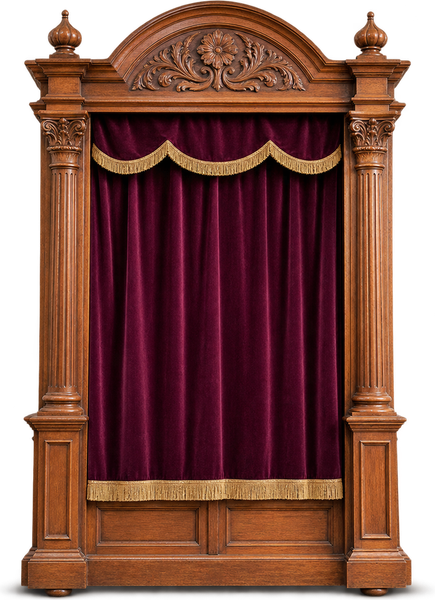
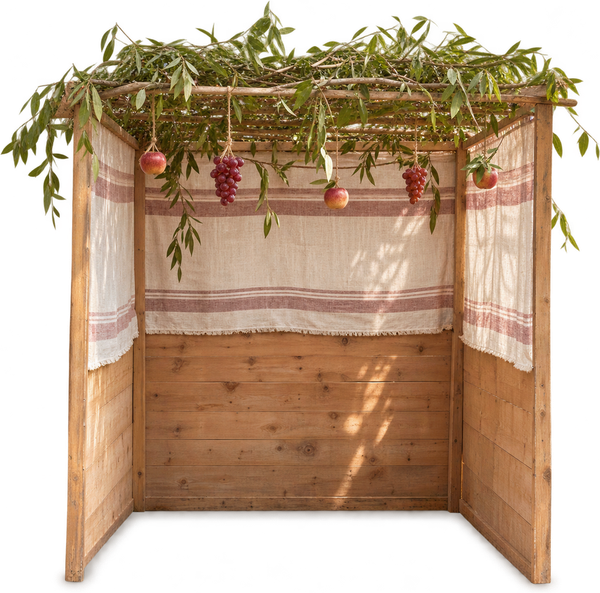
A sukkah must have at least three walls and a roof (sekhakh) of plant material that grew from the ground and has been detached from it; the roof gives more shade than sun. Its height must not exceed 20 cubits.12,13
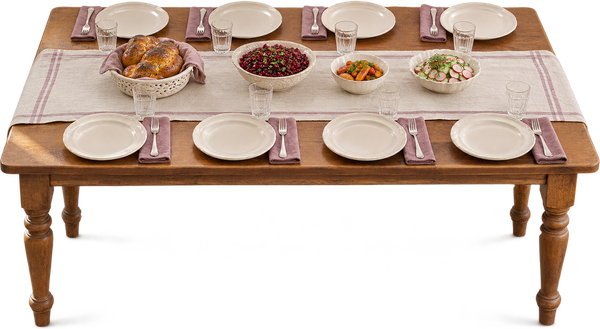
Meals (especially bread) are eaten in the sukkah, and where possible people live in it. On the first evening eating bread in the sukkah is an obligation; at other times, if it rains hard enough to spoil the food, one may eat at home.14,15
Every day except Shabbat the four species are held and waved toward the directions of the world.16,17,18
In Israel only the first day is a full festival day, in the diaspora the first two; they are followed by the intermediate days (chol ha-moed), when necessary work is permitted to a limited extent.
Prayers and blessings
When eating in the sukkah the blessing leishev ba-sukkah is said; over the four species, the blessing over the lulav, the first time with Shehecheyanu.19
The full Hallel is recited every day, and the bimah is circled with the lulav during the Hoshanot prayers; on the seventh day, Hoshana Rabbah, it is circled seven times and willow branches (aravot) are beaten on the ground.20
Symbols and objects
Sukkah – a booth with a permeable roof of branches.
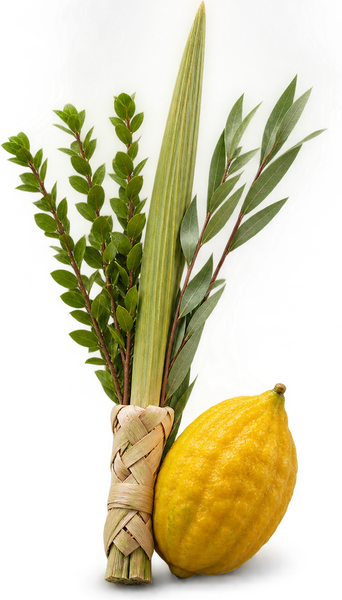
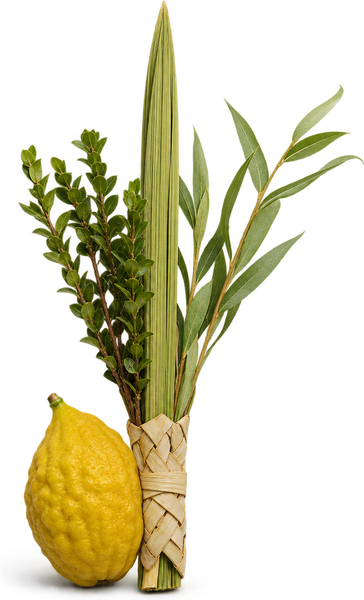
Etrog and lulav – a citron (etrog), a palm branch (lulav), three myrtles (hadassim) and two willows (aravot). The Midrash compares them to four types of people according to fragrance (deeds) and taste (learning).21
Traditional foods
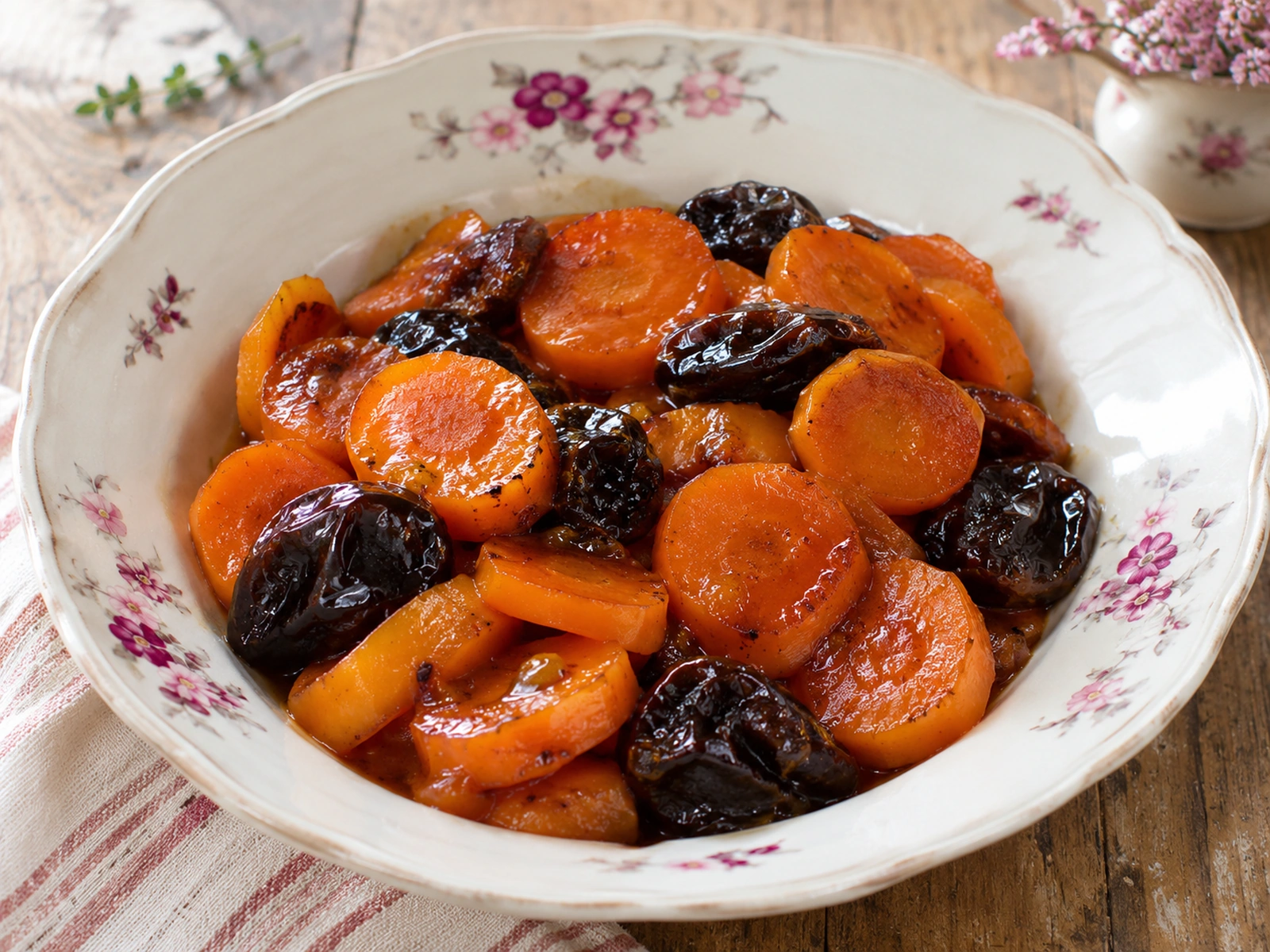
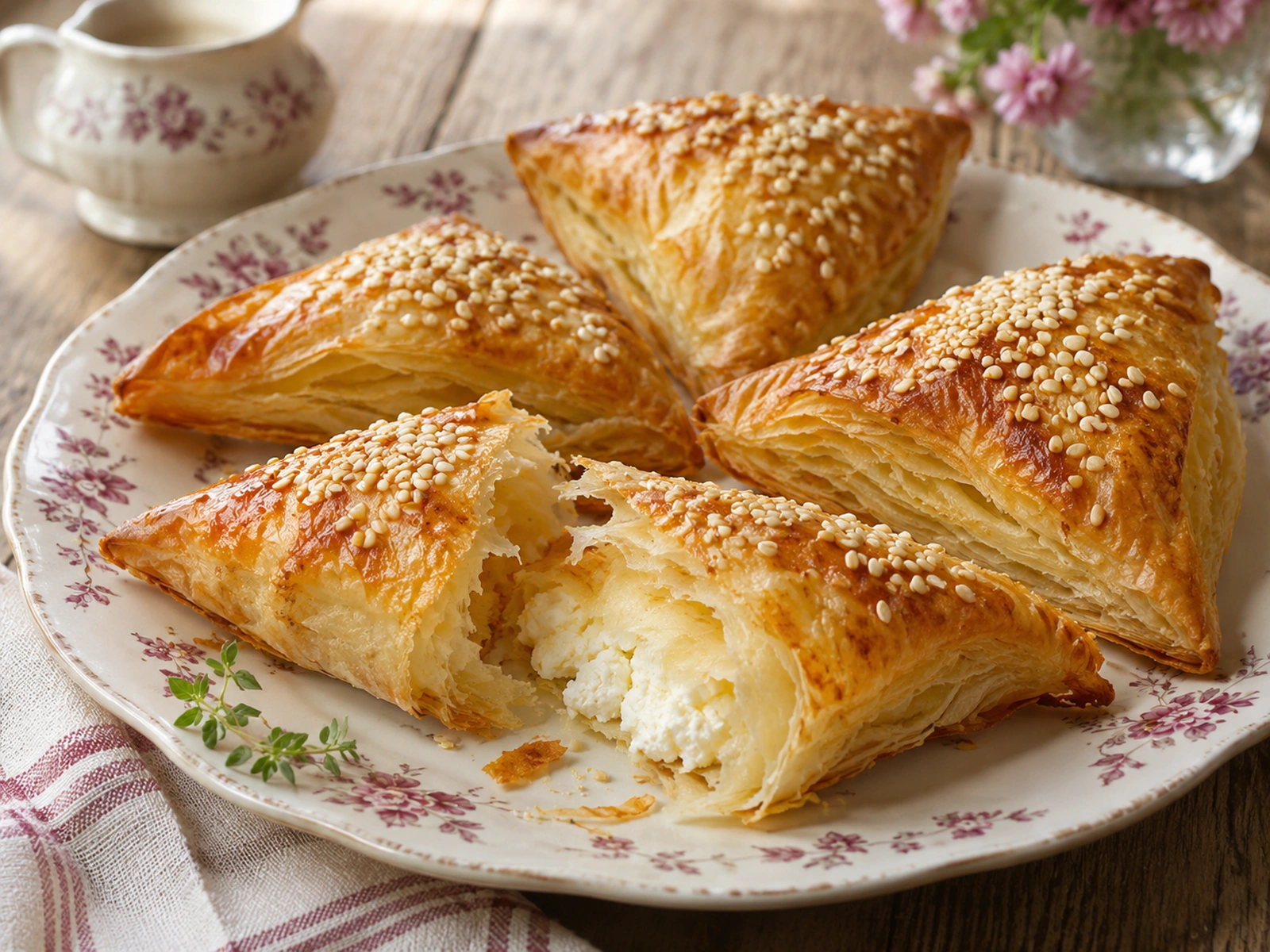
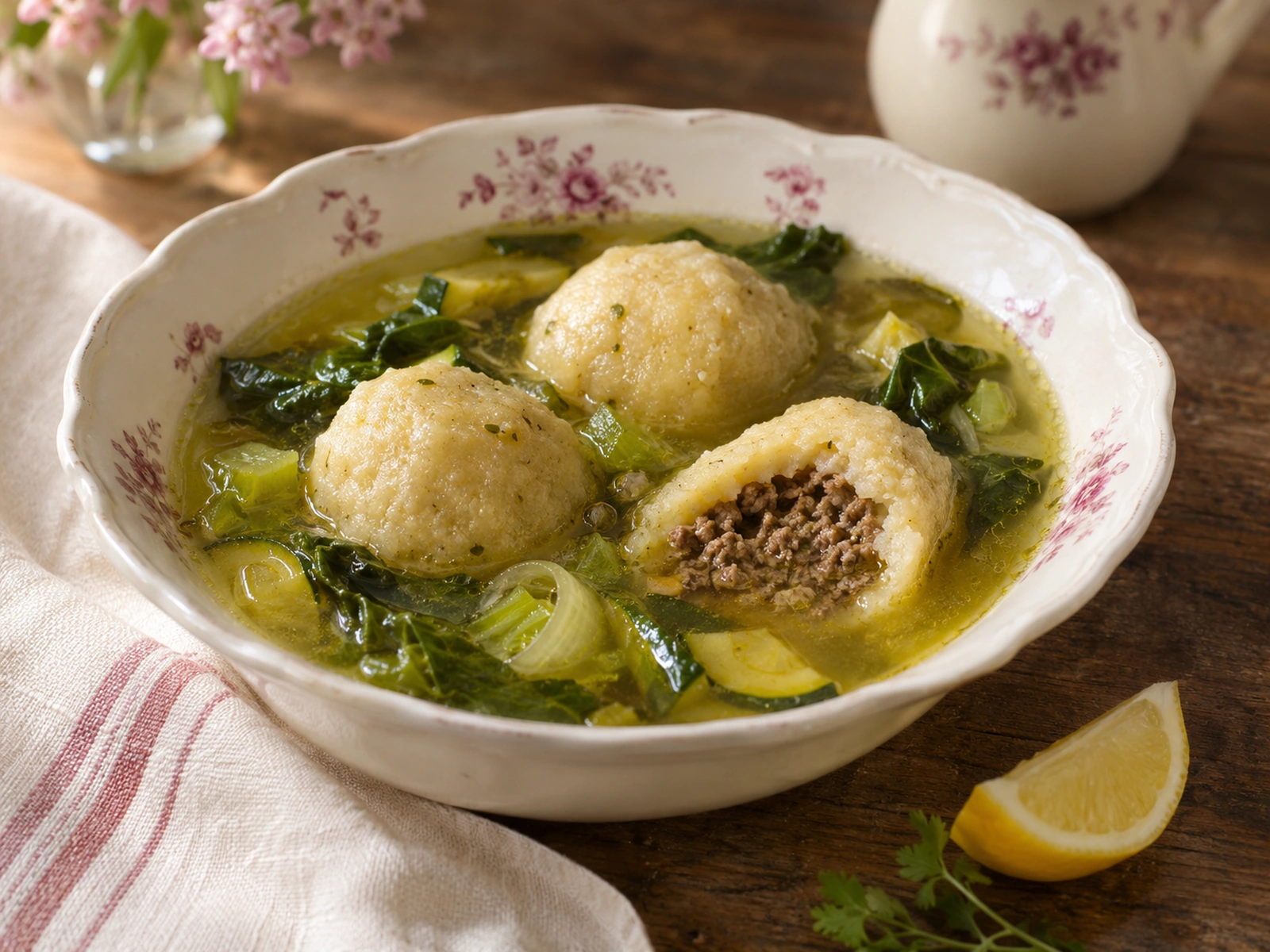
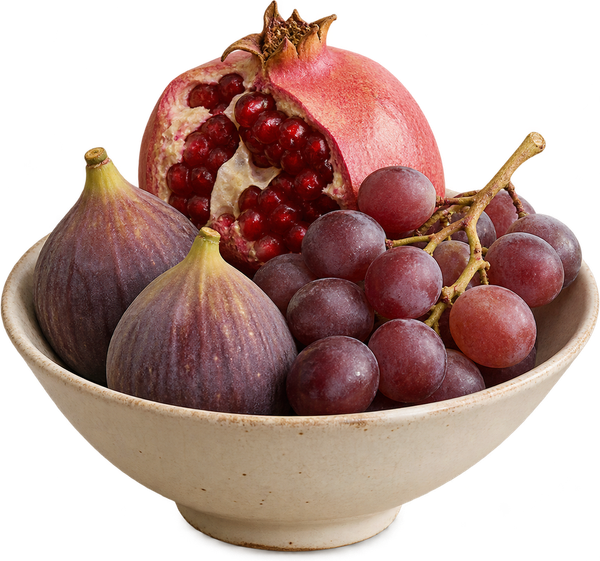
As a harvest festival, Sukkot has dishes of fresh vegetables and fruit, especially stuffed dishes (stuffed peppers, cabbage, squash) – a symbol of abundance.22
Differences between communities
Ashkenazim usually hold the lulav together with the myrtles and willows in a woven palm holder; Sephardim and Hasidim often use a differently arranged bundle and a different order of movements.
Women are exempt from this time-bound commandment, but many take the lulav. Ashkenazi women usually do so with a blessing, Sephardi women, following Joseph Karo, without one.24
In the diaspora many Ashkenazim do not sleep in the sukkah because of the climate; in Israel sleeping in the sukkah is more common.
In the Czech lands
Jewish communities in Prague, Brno and other cities build sukkot, often in the courtyards of community buildings or synagogues.
Etrogim were imported into Central Europe from the Mediterranean; obtaining them was an important task for the communities.
For children
On Sukkot people build a booth, a sukkah. Its roof is made of branches, so you can see the stars through it at night. All week long people eat in it, and whoever wants to can sleep in it too.
Children decorate the sukkah with paper chains, fruit and pictures and learn to wave the lulav in all directions.
FAQ
What is a sukkah?
A booth with at least three walls and a roof of plant material through which the sky can be seen. During the festival people eat and live in it.
What are the four species?
Etrog (citron), lulav (palm branch), hadassim (myrtle) and aravot (brook willow).
What if it rains?
If the rain spoils the food, a person is exempt from the obligation to eat in the sukkah. The Mishnah compares this to a servant whose master throws the cup back in his face.
Is the lulav used on Shabbat as well?
Not today; on a Shabbat that falls during Sukkot the four species are not taken.⁂ To verify
What is Hoshana Rabbah?
The seventh day of Sukkot, when the bimah is circled seven times and willow branches are beaten. Tradition understands it as the final sealing of judgment.
Sources
Primary sources
- 1Leviticus, 23:33–43 text ↗
- 2Numbers, 29:12–34 text ↗
- 3Exodus, 23:16 text ↗
- 4Deuteronomy, 16:13–15 text ↗
- 5Mishnah Sukkah, 5:1 text ↗
- 6Nehemiah, 8:14–17 text ↗
- 7Leviticus, 23:43 text ↗
- 8Babylonian Talmud, Sukkah, 11b text ↗
- 9Zechariah, 14:16 text ↗
- 10Ecclesiastes
- 11Deuteronomy, 31:10–13 text ↗
- 12Mishnah Sukkah, 1:1 text ↗
- 13Shulchan Arukh, Orach Chayim, 630–633 text ↗
- 14Mishnah Sukkah, 2:9 text ↗
- 15Shulchan Arukh, Orach Chayim, 639 text ↗
- 16Leviticus, 23:40 text ↗
- 17Mishnah Sukkah, 3 text ↗
- 18Shulchan Arukh, Orach Chayim, 651 text ↗
- 19Siddur
- 20Mishnah Sukkah, 4 text ↗
- 21Midrash Rabbah, Vajikra raba 30:12
- 24Shulchan Arukh, Orach Chayim, 589:6 text ↗
- 25Shulchan Arukh, Orach Chayim, 658:2 text ↗
- 26Mishnah Sukkah
- 27Babylonian Talmud, Sukkah
- 28Shulchan Arukh, Orach Chayim, 625–669 text ↗