Skip to content

Prague · 28 Cheshvan 5787

Shabbat this week · 16:02–17:11

Ashkenazi

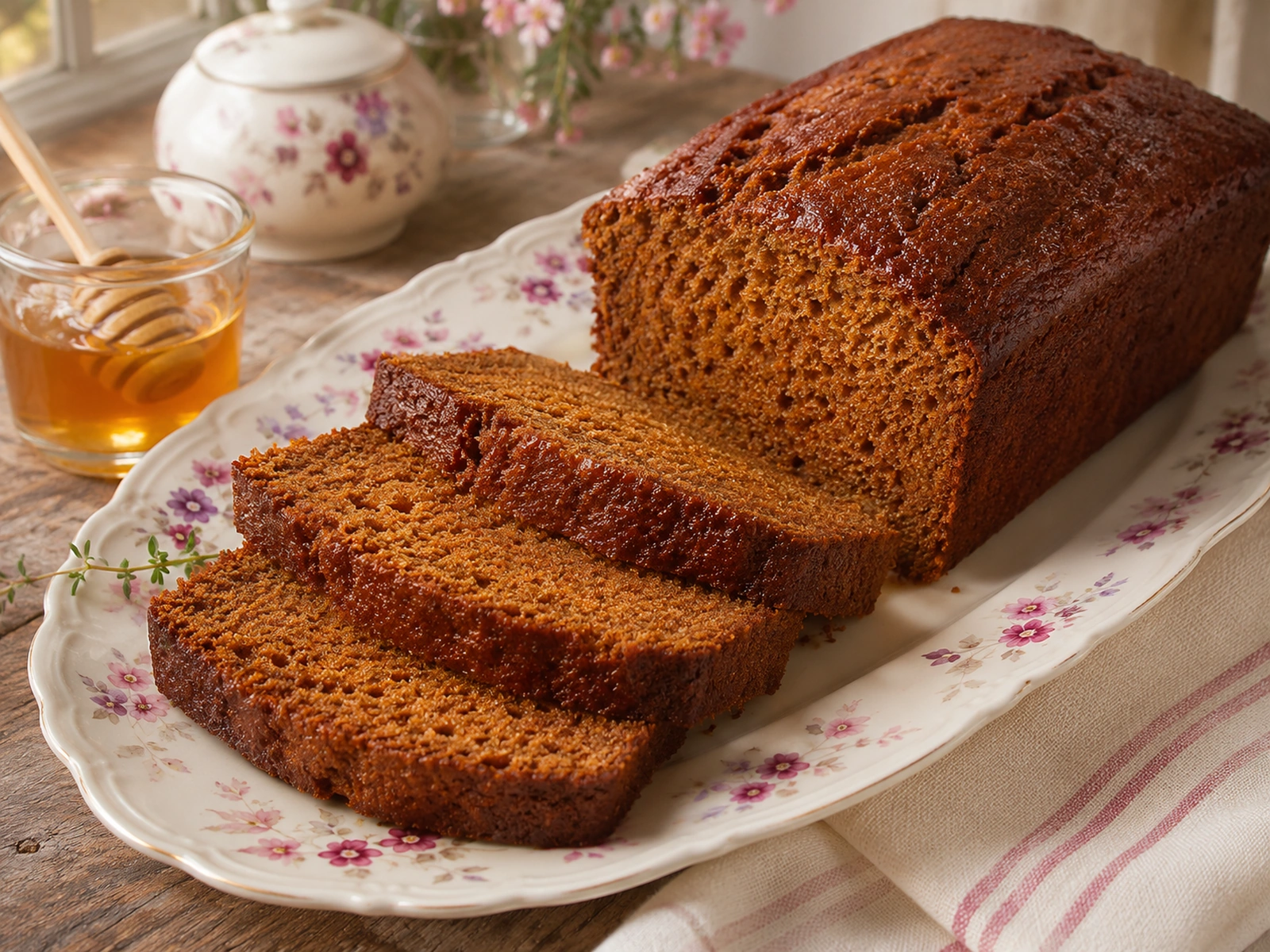
Lekach (honey cake)

Awaiting expert review

A moist spiced honey cake for Rosh Hashanah, a symbol of the wish for a sweet new year. Parve, with no milk or butter.

Servings
12 servings
Prep
20 min
Cook
55 min
Difficulty
easy
Kashrut · pareveCategory by ingredients, not a certification. Details below.
For holidaysRosh Hashanah
Lekach (honey cake)

Ingredients

12
servings

Method

  1. Step 1: Preheat the oven to 170 °C. Grease a loaf pan (approx. 30 × 11 cm) or a 24 cm round pan with oil and dust it with flour.

  2. Step 2: In a bowl mix the flour, baking powder, baking soda, spices and salt.

  3. Step 3: In a second bowl beat the eggs with the sugar until foamy (about 3 minutes), add the honey and oil and mix.

  4. Step 4: Alternately stir the dry ingredients and the tea into the egg mixture, just until combined.

  5. Step 5: Pour the thin batter into the pan and bake for 50–55 minutes, until a skewer inserted in the center comes out dry. If the top darkens too much, cover it with aluminum foil.

  6. Step 6: Let it cool in the pan for 15 minutes, then turn it out onto a wire rack.

  7. Step 7: Wrap the cake and let it rest until the next day; the flavor matures and the cake becomes moister.

Tips

  • Honey with a high sugar content browns the batter quickly, so do not bake above 170 °C.

History and origins

Minhag

On Rosh Hashanah there is a widespread custom of eating sweet foods, especially honey, to express the wish for "a good and sweet year".1

HistoryAshkenazim⁂ To verify

The honey cake lekach (from a German/Yiddish root meaning "to lick" or "gingerbread") was a common festive cake in Ashkenazi communities and was also served on other joyful occasions.

Regional variations

Folk custom

Strong coffee or tea is added to the batter, sometimes orange zest, nuts or whisky; every family has its own spice ratio.

MinhagSephardim⁂ To verify

Sephardi communities have other sweets for Rosh Hashanah, for example candied fruit or pumpkin and quince preserves.

Sources