Biblical basis
The Torah commands both to "remember" (zachor) and to "keep" (shamor) Shabbat; in tradition the two formulations are linked with positive celebration and with refraining from work.1,2
The prophet Isaiah calls Shabbat a "delight" (עֹנֶג, oneg); hence the emphasis on festive food, clothing and joy.3
Friday evening
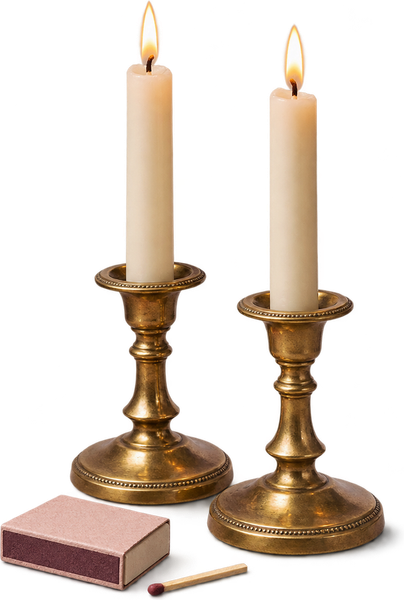
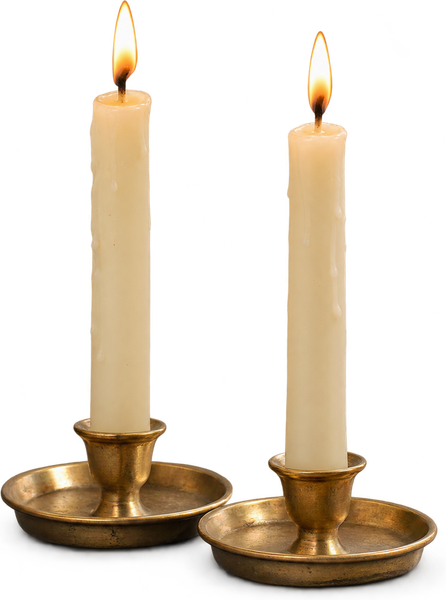
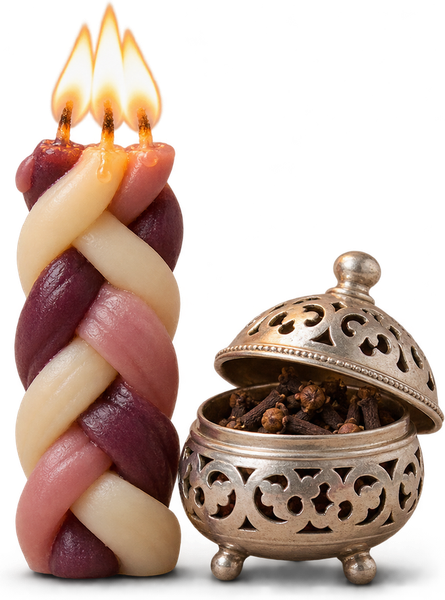
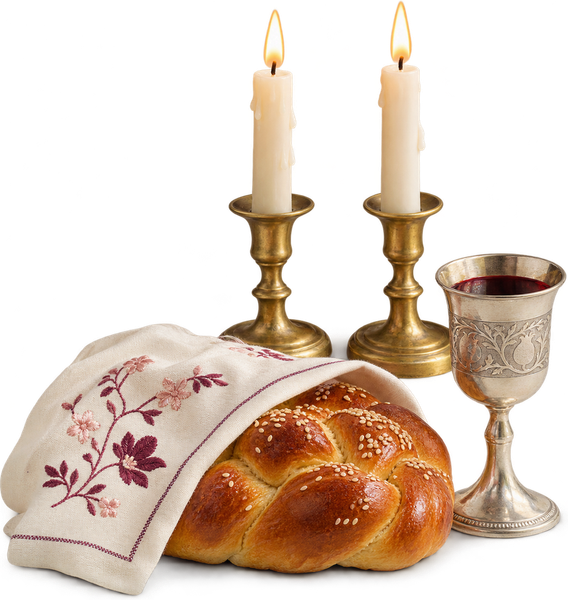
Before dusk, the Shabbat candles are lit. On returning from the synagogue, many families sing Shalom Aleichem (based on the Talmudic story of two angels who accompany a person home) and Eshet Chayil from Proverbs.4,5
The Shabbat day
The Talmud prescribes three Shabbat meals; the third (seudah shlishit) is eaten in the afternoon before Shabbat ends.10
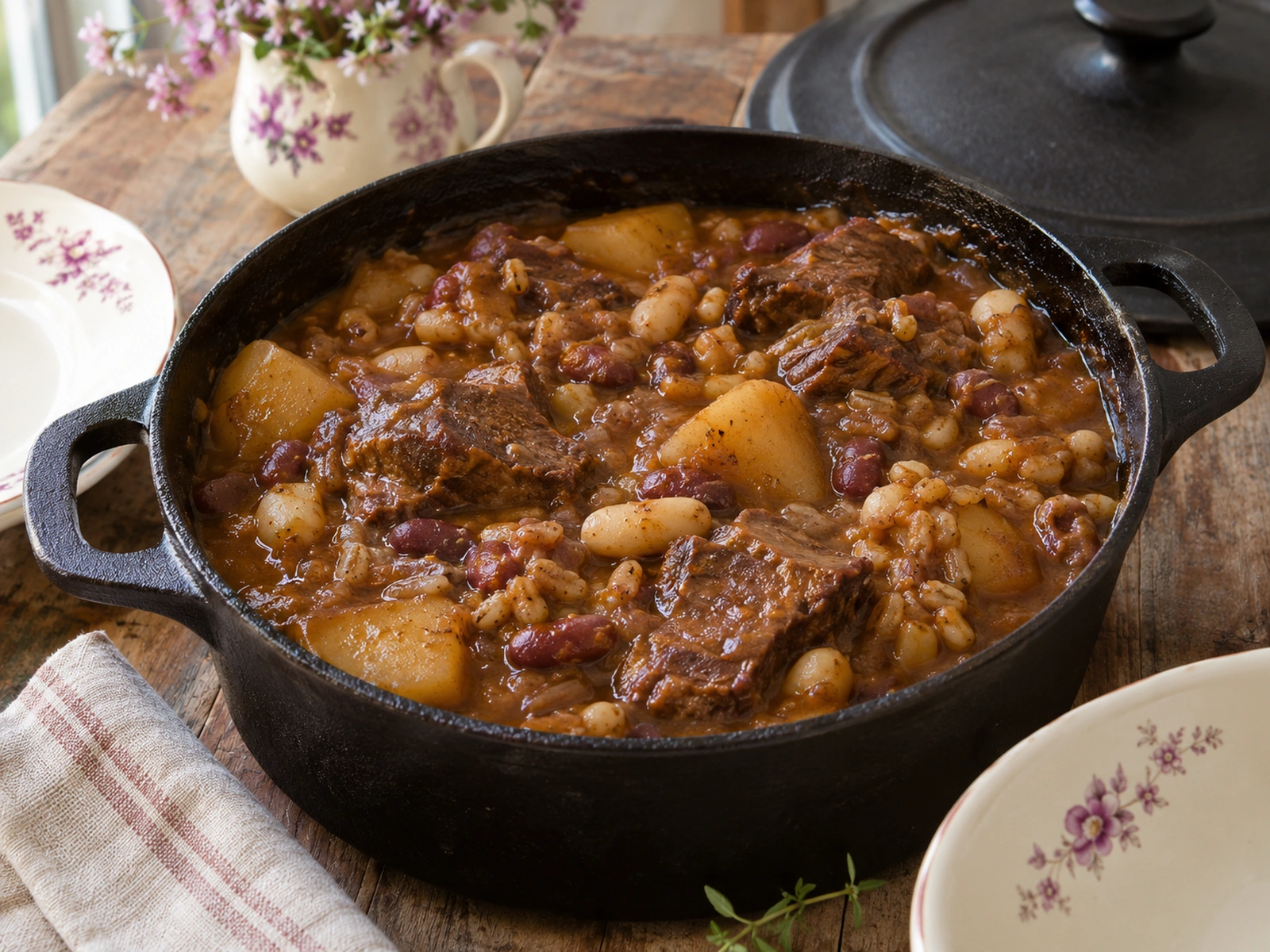
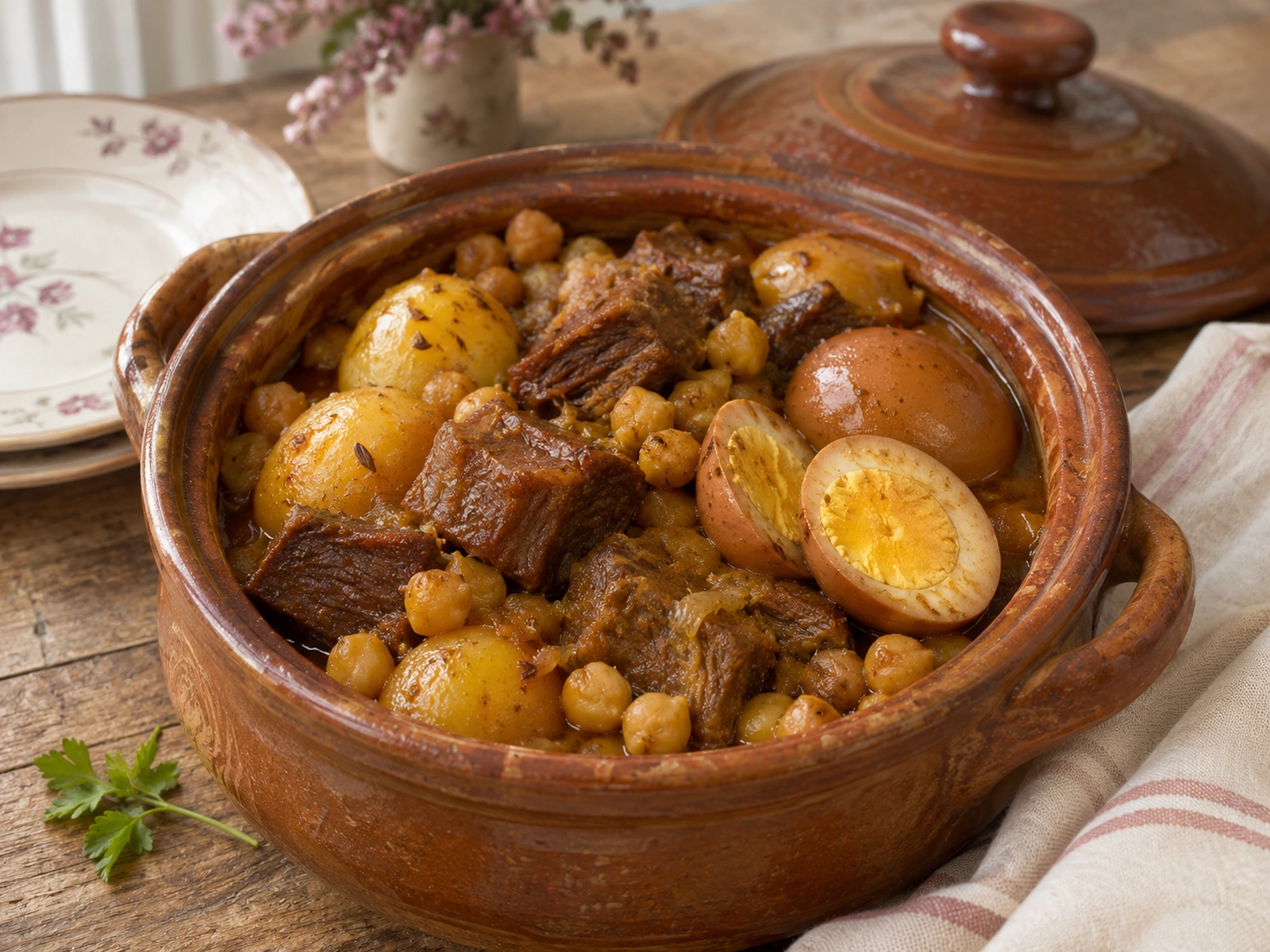
Because there is no cooking on Shabbat, dishes are prepared that can stay warm overnight: Ashkenazi Cholent, Sephardi chamin or Moroccan Dafina.11
The Mishnah lists 39 main categories of work (avot melakhah) from which one refrains on Shabbat; their application to modern technology (electricity, cars) is the subject of halakhic literature and differs between movements.12
Different ways of observing
In Orthodox practice Shabbat is observed in its full halakhic scope. The Conservative (Masorti) movement keeps its framework with its own halakhic rulings; Reform and secular families often celebrate mainly the Friday dinner as a family gathering.
In Israel, Shabbat sets the rhythm of public life (limited public transport, closed offices); in the Diaspora it is mostly a private and communal matter.
FAQ
When exactly does Shabbat begin and end?
It begins on Friday before sunset with the lighting of candles and ends on Saturday after nightfall, when three stars are visible; times for a specific location are given in calendars (e.g. Hebcal).
Can families who do not otherwise observe Shabbat also celebrate the Shabbat dinner?
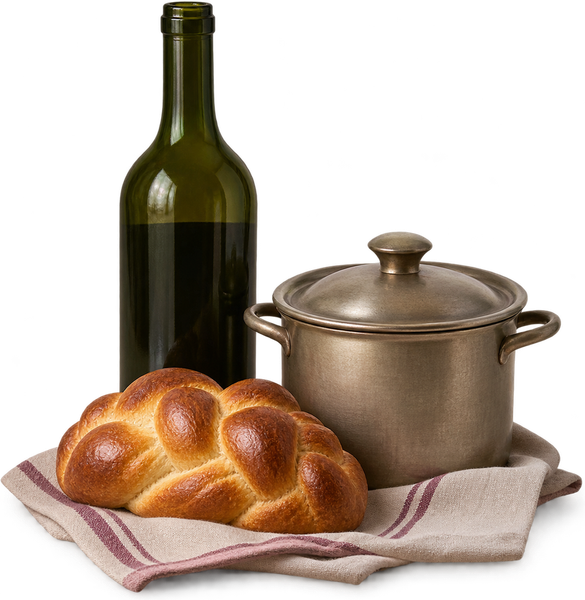
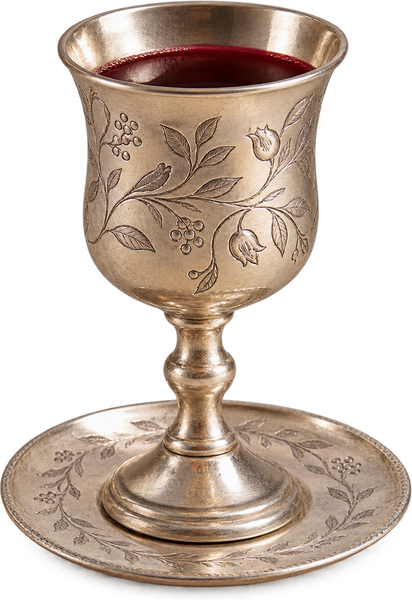
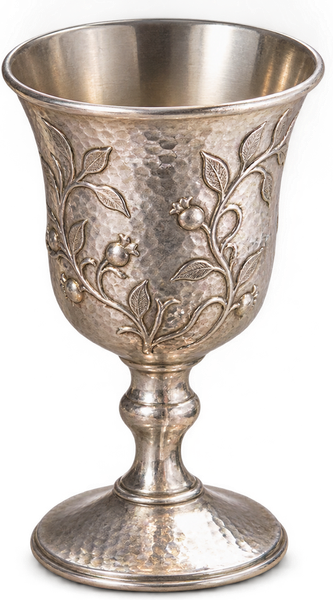
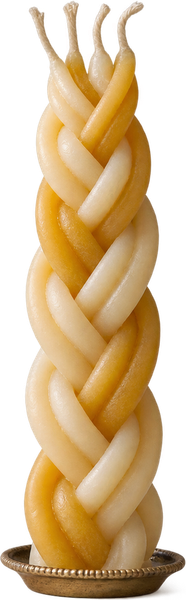
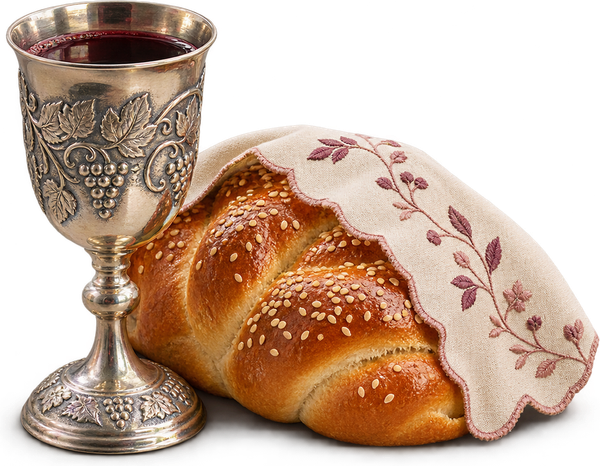
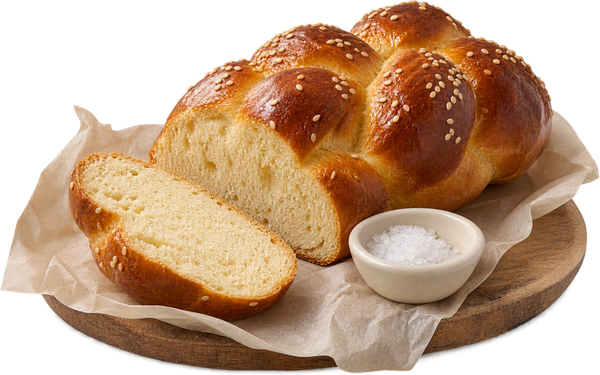
Yes. The Friday dinner with candles, kiddush and challah is widespread in liberal and secular families too; from an Orthodox point of view it is a part, not the whole, of the obligations of Shabbat.
Sources
Primary sources
- 1Exodus, 20:8–11 text ↗
- 2Deuteronomy, 5:12–15 text ↗
- 3Isaiah, 58:13–14 text ↗
- 4Babylonian Talmud, Shabbat, 119b text ↗
- 5Proverbs, 31:10–31 text ↗
- 6Genesis, 48:20 text ↗
- 7Numbers, 6:24–26 text ↗
- 8Exodus, 16:22 text ↗
- 9Shulchan Arukh, Orach Chayim, 274:1 text ↗
- 10Babylonian Talmud, Shabbat, 117b text ↗
- 12Mishnah Shabbat, 7:2 text ↗
- 14Mishnah Shabbat
- 15Babylonian Talmud, Shabbat
- 16Shulchan Arukh, Orach Chayim