Fast days
Seventeenth of Tammuzשִׁבְעָה עָשָׂר בְּתַמּוּז
1 day – from dawn until nightfall · 17 Tammuz (if it falls on Shabbat, it is postponed to 18 Tammuz)
- History
- Halakhah
- Minhag
- Folk custom
- Modern practice
- Interpretation
- Transliteration
- Shiva Asar B'Tammuz
- Pronunciation
- šiv-A a-SAR be-ta-MUZ
- Duration
- 1 day – from dawn until nightfall
In 60 seconds
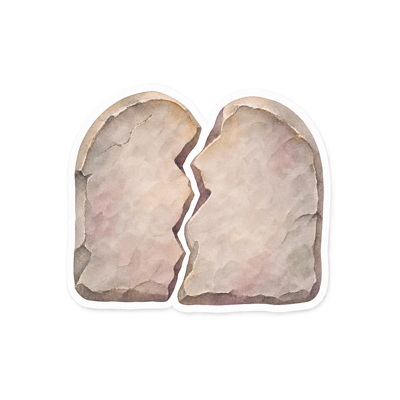
The Seventeenth of Tammuz recalls the breaching of the walls of Jerusalem before the destruction of the Second Temple. The Mishnah assigns further misfortunes to this day: Moses breaking the Tablets of the Covenant, the cessation of the daily offering, the burning of a Torah scroll and the setting up of an idol in the Temple. The day opens "the three weeks" (bein ha-metzarim), a period of mourning that culminates on Tisha B'Av. It is a minor fast from dawn until nightfall; in traditional communities no weddings are held from this day on and music is limited.
Next date
When
Begins
Thursday, 22 July 2027, at dawn (02:49)
Ends
Thursday, 22 July 2027, after nightfall (22:01)
1 day
Begins
Tuesday, 11 July 2028, at dawn (02:20)
Ends
Tuesday, 11 July 2028, after nightfall (22:15)
1 day
Begins
Sunday, 1 July 2029, at dawn (01:52)
Ends
Sunday, 1 July 2029, after nightfall (22:23)
1 day
Times for Prague · Diaspora
History and origins
According to the Mishnah, five calamities occurred on 17 Tammuz: the Tablets of the Covenant were broken, the daily offering (tamid) ceased, the walls of the city were breached, Apostomos burned the Torah and an idol was set up in the Temple.1
The Bible states that during the Babylonian siege the walls were breached on the 9th day of the fourth month. The Talmud and later tradition relate 17 Tammuz to the breaching of the walls in the time of the Second Temple (70 CE); the Jerusalem Talmud also offers another explanation of the discrepancy.2,3,4
Religious meaning
According to traditional chronology, the breaking of the Tablets of the Covenant after the golden calf took place on 17 Tammuz (40 days after the giving of the Torah). The day thus links national catastrophe with spiritual failure.7
Core traditions

How it is observed
A minor fast from dawn until nightfall. The sick and pregnant or nursing women usually do not fast; the local rabbi determines the details.10
Prayers and blessings
Symbols and objects
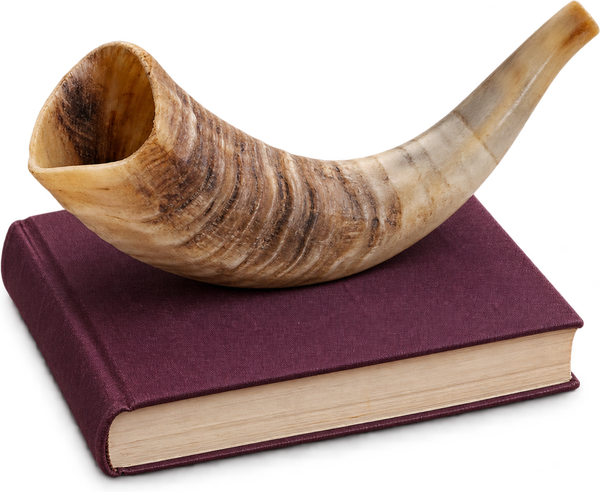
The day has no objects of its own. In tradition, the broken Tablets of the Covenant and the breached wall become the images of the day.
Traditional foods
There are no established special dishes.
Differences between communities
In Orthodox communities the three weeks are kept strictly; Conservative and Reform communities mark the day in various ways, often only liturgically or not at all.
In the Czech lands
No particular customs are documented for the Czech setting.
For children
On this day Jews remember how enemies broke through the walls of Jerusalem. Three sad weeks begin, when there are no weddings or big celebrations.
FAQ
What are the three weeks?
The period from 17 Tammuz to 9 Av, when traditional communities limit joyful events as a sign of mourning over the destruction of the Temple.
Why are no weddings held?
A wedding is the height of joy, which is out of place in a time of mourning. The extent of the restrictions differs between Ashkenazi and Sephardi practice.
What if 17 Tammuz falls on Shabbat?
The fast is postponed to Sunday, 18 Tammuz.
Sources
Primary sources
- 1Mishnah Taanit, 4:6 text ↗
- 2Jeremiah, 39:2 text ↗
- 3Babylonian Talmud, Taanit, 28b text ↗
- 4Jerusalem Talmud, Taanit 4:5
- 5Zechariah, 8:19 text ↗
- 6Babylonian Talmud, Rosh Hashanah, 18b text ↗
- 7Exodus, 32:19 text ↗
- 8Lamentations, 1:3 text ↗
- 9Shulchan Arukh, Orach Chayim, 551 text ↗
- 10Shulchan Arukh, Orach Chayim, 550 text ↗
- 11Exodus, 32:11–14 text ↗
- 12Isaiah, 55:6 text ↗
- 13Shulchan Arukh, Orach Chayim, 549–551 text ↗