חגים קטנים
Tu BiShvatט״וּ בִּשְׁבָט
1 day · 15 Shevat
- היסטוריה
- הלכה
- מנהג
- מנהג עממי
- נוהג מודרני
- פרשנות
- הגייה
- tu bi-ŠVAT
- משך
- 1 day
התרגום לעברית בהכנה. מוצג הטקסט המקורי.
ב־60 שניות
Tu BiShvat means “the 15th of Shevat”, because the Hebrew letters tet and vav have the numerical value 15. The Mishnah lists it as the “new year of trees”: the decisive date for calculating fruit tithes and the age of trees. There is no rest from work and no special service; only the penitential supplications are omitted. In the 16th–17th centuries the kabbalists of Safed developed a seder ritual with fruit and wine. The Zionist movement made it a festival of tree planting, and today many also celebrate it as an ecology day. The custom is to eat fruit, especially the seven species of the Land of Israel, and to taste a new fruit with the Shehecheyanu blessing. It is celebrated in winter, when the almond trees begin to blossom in Israel.
המועד הבא
מתי חוגגים
מתחיל
יום שישי, 22 בינואר 2027, בשקיעה (16:38)
הדלקת נרות: 16:20
מסתיים
יום שבת, 23 בינואר 2027, בצאת הכוכבים (17:33)
יום אחד
מתחיל
יום שישי, 11 בפברואר 2028, בשקיעה (17:12)
הדלקת נרות: 16:54
מסתיים
יום שבת, 12 בפברואר 2028, בצאת הכוכבים (18:04)
יום אחד
מתחיל
יום שלישי, 30 בינואר 2029, בשקיעה (16:53)
מסתיים
יום רביעי, 31 בינואר 2029, בצאת הכוכבים (17:46)
יום אחד
זמנים עבור פראג · תפוצות
היסטוריה ומקורות
The Mishnah lists four “new years”; 1 Shevat is the new year of trees according to the School of Shammai, 15 Shevat according to the School of Hillel, whose view is followed. Its significance was originally legal: it determined to which year fruit was counted for tithes and for the rules on young trees (orlah).1,2
In the 16th–17th centuries the Tu BiShvat Seder arose in kabbalistic circles, recorded in the work Pri Etz Hadar: eating fruit in stages by category, and four cups of wine ranging from white to red.3
From the late 19th century teachers in the Jewish settlements in Palestine celebrated Tu BiShvat by planting trees; the Jewish National Fund (Keren Kayemet) turned it into a nationwide event.
משמעות דתית
The festival recalls the bond with the land and refers to Deuteronomy 20:19 (“is the tree of the field a man?”), often cited in environmental ethics. The kabbalists understood eating fruit as a repair (tikkun) of the spiritual worlds.4
מסורות עיקריות
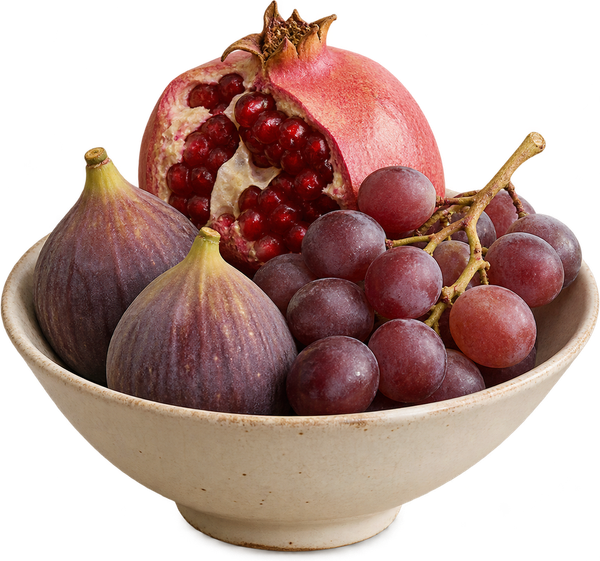
Fruit is eaten, and especially the seven species of the Land of Israel: wheat, barley, grapes, figs, pomegranates, olives and dates.5
The Tu BiShvat Seder is popular today also in liberal and secular communities, often with an environmental interpretation.

איך נוהגים
תפילות וברכות
Besides the blessing over fruit and Shehecheyanu, there are psalms and texts from the kabbalistic tradition for the seder; in some communities Psalms 104 and 148 are recited.8
סמלים וחפצים
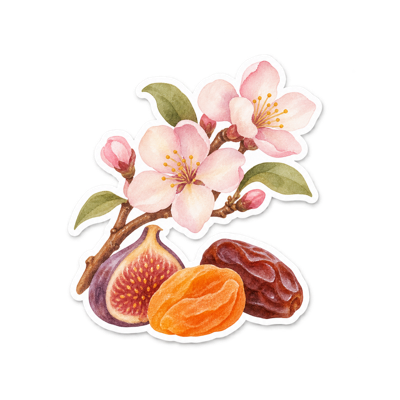
The blossoming almond tree (shaked), which in Israel blooms right around Tu BiShvat, and the tree sapling. The seven species are a symbol of the land.
מאכלים מסורתיים
Dried fruit and nuts, especially in the diaspora, where fresh fruit from the Land of Israel was not available in winter; in Ashkenazi communities traditionally carob (bokser).
Sephardi communities celebrated Las Frutas (Frutikas) with bowls of fruit, sweets and songs.
הבדלים בין הקהילות
In Israel it is a day when schools and families plant trees; in the diaspora people often contribute to tree planting in Israel.
המסורת בארצות צ׳כיה
Czech Jewish communities and associations hold Tu BiShvat seders; historical evidence of celebrations in the Czech lands still needs to be verified.
לילדים
Children can plant a seed or a sapling, taste the seven species and draw a tree of the year.
שאלות נפוצות
What does “Tu” mean?
The letters ט (9) and ו (6) add up to 15, i.e. 15 Shevat.
Is Tu BiShvat a day of rest from work?
No. It is a minor festival with no restrictions on work; only Tachanun is not said.
Why is it called the “new year of trees”?
The Mishnah calls it this for legal reasons: it determines the year for fruit tithes.
What is the Tu BiShvat Seder?
A kabbalistic ritual with fruit and four cups of wine, popular today across communities.⁂ לאימות
מקורות
מקורות ראשוניים
- 1Mishnah Rosh Hashanah, 1:1 text ↗
- 2Babylonian Talmud, Rosh Hashanah, 14a text ↗
- 4Deuteronomy, 20:19 text ↗
- 5Deuteronomy, 8:8 text ↗
- 6Shulchan Arukh, Orach Chayim, 131:6 text ↗
- 7Siddur
- 8Psalms, 104; 148