ימי זיכרון ומועדים מודרניים
Jerusalem Dayיוֹם יְרוּשָׁלַיִם
1 day – celebrated only in some communities · 28 Iyar
- היסטוריה
- הלכה
- מנהג
- נוהג מודרני
- פרשנות
- הגייה
- JOM je-ru-ša-LA-jim
- משך
- ישראל: 1 day (from evening to evening), a national day of commemoration
תפוצות: 1 day – celebrated only in some communities
התרגום לעברית בהכנה. מוצג הטקסט המקורי.
ב־60 שניות
Yom Yerushalayim recalls that on 7 June 1967 (28 Iyar), during the Six-Day War, the Israeli army captured the Old City and East Jerusalem, and Jews thus regained access to the Western Wall after nineteen years. The holiday was proclaimed by the Israeli government in 1968 and enshrined in law by the Knesset in 1998. For Religious Zionists it is a day of thanksgiving with Hallel; for many Palestinians and for a large part of the international community it marks the beginning of the occupation of East Jerusalem. The most visible event, the so-called flag march through the Old City, is a subject of dispute every year.
המועד הבא
מתי חוגגים
מתחיל
יום חמישי, 3 ביוני 2027, בשקיעה (21:04)
מסתיים
יום שישי, 4 ביוני 2027, בצאת הכוכבים (22:12)
יום אחד
מתחיל
יום שלישי, 23 במאי 2028, בשקיעה (20:53)
מסתיים
יום רביעי, 24 במאי 2028, בצאת הכוכבים (21:58)
יום אחד
מתחיל
יום שבת, 12 במאי 2029, בשקיעה (20:37)
מסתיים
יום ראשון, 13 במאי 2029, בצאת הכוכבים (21:39)
יום אחד
זמנים עבור פראג · תפוצות
היסטוריה ומקורות
From 1948 to 1967 Jerusalem was divided; the Old City with the Temple Mount and the Western Wall was administered by Jordan, and Jews had no access to them. On 7 June 1967 the Israeli army captured the Old City. Israel then extended its administration to East Jerusalem; the international community largely does not recognize this step.1
The holiday was proclaimed by the government in 1968 and regulated by the Jerusalem Day Law in 1998.
משמעות דתית
Jerusalem is the center of Jewish prayer and hope; tradition mentions it in the daily Amidah and in the blessing after meals. For many Jews the day is an expression of this centuries-old bond.2,3
At the same time, the day has a strongly political dimension. For Palestinians it recalls loss and occupation; within Israeli society, too, its form is debated.
מסורות עיקריות
Festive assemblies, pilgrimages to the Western Wall and the so-called "flag dance" (rikud degalim) from the western part of the city through the Old City take place. The procession through the Muslim Quarter is repeatedly criticized because of provocations and violence.
איך נוהגים
The Chief Rabbinate has established the recitation of Hallel; Religious Zionists recite it with a blessing. Haredi communities do not celebrate the day. The holiday is not a day off work.
תפילות וברכות
In Religious Zionist communities Hallel and festive prayers of thanksgiving are recited.4
סמלים וחפצים
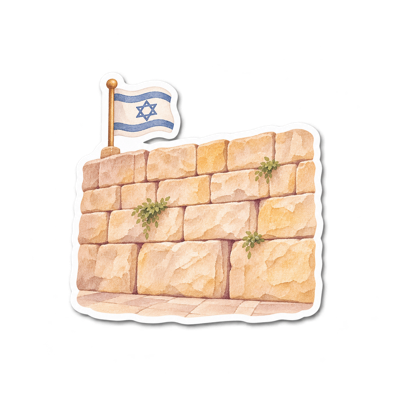
The Western Wall, the Israeli flag and the song Yerushalayim Shel Zahav (Jerusalem of Gold) by Naomi Shemer, written shortly before the 1967 war.
מאכלים מסורתיים
There are no established special dishes.
הבדלים בין הקהילות
The day is celebrated above all by Religious Zionists; secular Israelis perceive it less strongly, the Haredim do not celebrate it, and for the Palestinian residents of Jerusalem it is associated with loss. In the diaspora it is celebrated mainly by Modern Orthodox communities.
המסורת בארצות צ׳כיה
In the Czech Republic Jerusalem Day is little celebrated in public; some Jewish communities and organizations mark it.
לילדים
Jerusalem Day recalls the time when, after many years, Jews could once again pray at the Western Wall in the Old City. For other people who live in Jerusalem, however, it is a sad day, and so people speak about it in different ways.
שאלות נפוצות
Why is Jerusalem Day controversial?
For many Jews it recalls the reunification of the city and the return to the Western Wall; for Palestinians and much of the world, the beginning of the occupation of East Jerusalem. Criticism is directed mainly at the flag march.
Is Hallel recited?
In Religious Zionist communities, yes, following the ruling of the Chief Rabbinate. In Haredi communities, no.
When does it fall?
On 28 Iyar, one week before Shavuot.